
- English
- Español
- Português
- русский
- Français
- 日本語
- Deutsch
- tiếng Việt
- Italiano
- Nederlands
- ภาษาไทย
- Polski
- 한국어
- Svenska
- magyar
- Malay
- বাংলা ভাষার
- Dansk
- Suomi
- हिन्दी
- Pilipino
- Türkçe
- Gaeilge
- العربية
- Indonesia
- Norsk
- تمل
- český
- ελληνικά
- український
- Javanese
- فارسی
- தமிழ்
- తెలుగు
- नेपाली
- Burmese
- български
- ລາວ
- Latine
- Қазақша
- Euskal
- Azərbaycan
- Slovenský jazyk
- Македонски
- Lietuvos
- Eesti Keel
- Română
- Slovenski
- मराठी
- Srpski језик
Pharmaceutical Intermediates
Pharmaceutical Intermediates
Water Treatment Chemicals
Water Treatment Chemicals
Fine Chemicals
Fine Chemicals
New Disinfectant
New Disinfectant
Featured Products
About Us
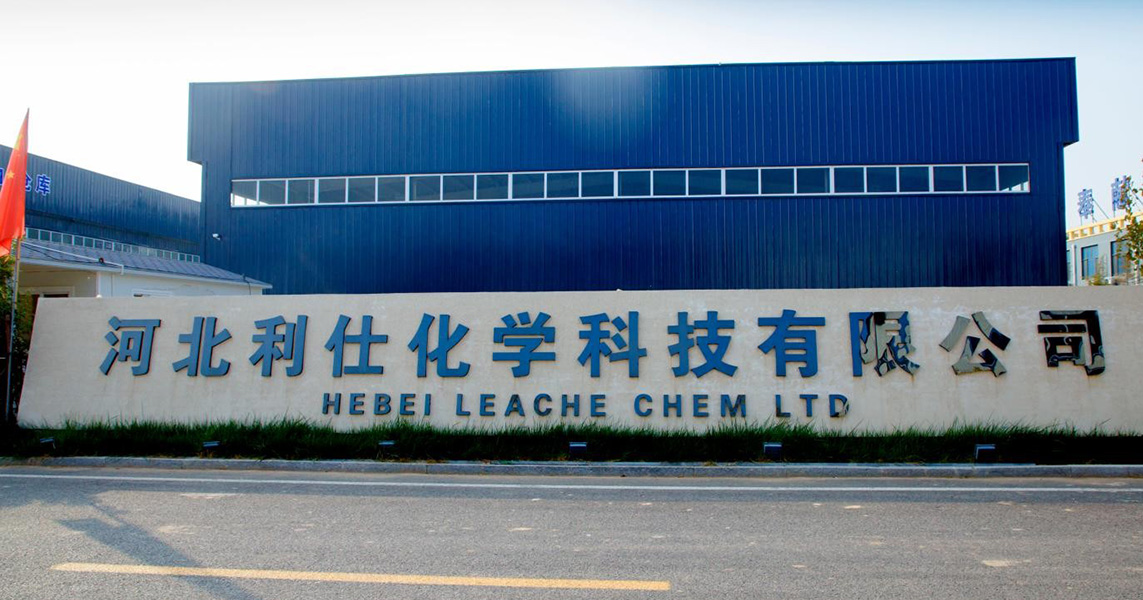
Leache Chem LTD. was founded in year 1972 in Handan, Hebei, has been always engaged in chemicals R&D, producing and international business management. It is the first domestic company to produce and sell hydantoin series products. After nearly 50 years of hard work, Leache Chem LTD. has grown from a regional manufacturer to a modern research and management institution with good reputation all over the world.
-

Environmental Protection 
Environmental protection and occupational health and safety are always among the priority factors that the company considers in its production and operation activities. The management and employees of the company will persistently strive to improve their EHS management level.
View Details -

Security 
With a responsible attitude, strictly abide by national laws, regulations, and relevant guidelines, and create a healthy, safe, and harmonious environment.
View Details -

Environment 
Conduct appropriate risk identification, inspection, and assessment of work activities that may affect employees, contractors, or the public, take appropriate protective measures or procedures to control hazards, and minimize health and safety risks; Simultaneously committed to protecting the environment and minimizing the impact of operations and construction on the environment.
View Details -

Reaction Rate 
In the event of an emergency or unexpected event, respond quickly, effectively, and cautiously, and actively cooperate with industry organizations and government departments.
View Details -

Professional Knowledge 
By implementing and monitoring EHS activities and providing professional EHS training to all employees, we aim to enhance their EHS behavior and management level.
View Details
New Products
News
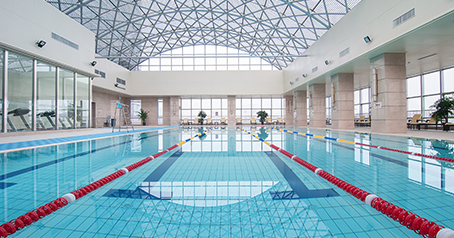
Swimming Pool Water Purification Knowledge Sharing: Creating a Clear and Healthy Swimming Environment
Chlorine disinfection: the most commonly used, including liquid chlorine, sodium hypochlorite, chlorine tablets, etc.
Read More
The role of coagulants
In the water treatment process, coagulants (such as polyaluminum chloride, aluminum sulfate, etc.) are key chemical agents used to remove suspended solids and colloidal impurities from water.
Read More

Panoramic Analysis of the Pharmaceutical Intermediates Industry: Market Trends, Technological Innovations, and Future Opportunities
As a key link in drug research and production, pharmaceutical intermediates are facing unprecedented opportunities and challenges with the booming development of the global pharmaceutical industry.
Read More
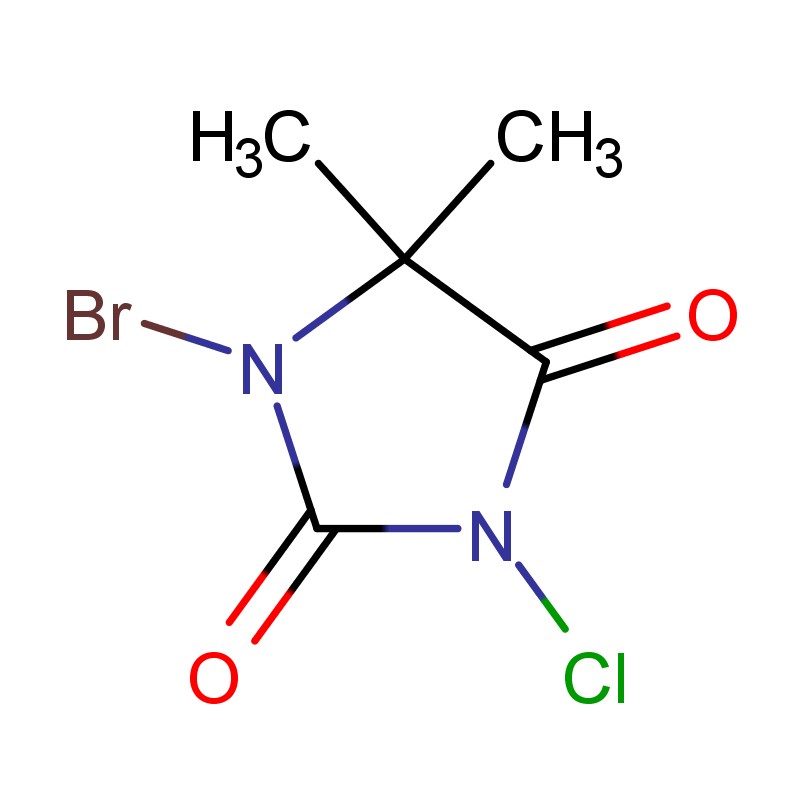
How Does 1-Bromo-3-Chloro-5,5-DimethylHydantoin Improve Cooling Tower Circulating Water Treatment?
A cooling tower is not simply a device for removing heat. It is also a biological environment. Warm water, continuous circulation, contact with air, suspended nutrients, and repeated concentration of dissolved materials can create favorable conditions for microbial growth.
Read More
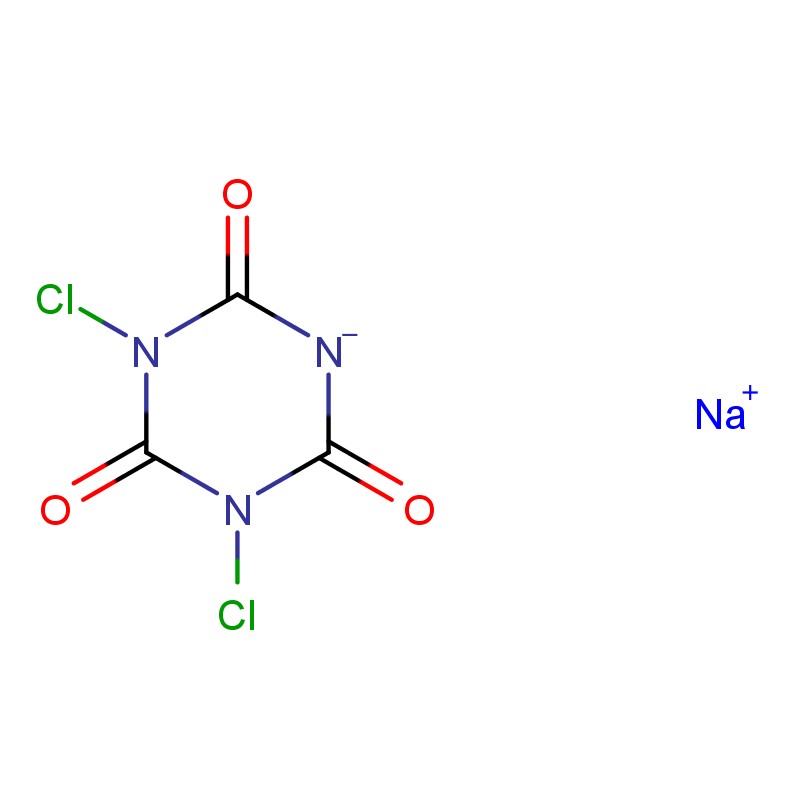
Why Is Sodium Dichloroisocyanurate (SDIC) Becoming a Preferred Solution for Modern Water Disinfection
As a professional chemical supplier, Leache provides high-quality Sodium Dichloroisocyanurate (SDIC) designed for efficient disinfection, sanitation, and water treatment applications. This advanced chlorine-based chemical offers stable chlorine release, strong antimicrobial performance, and convenient storage characteristics, making it widely used in swimming pools, industrial water systems, food sanitation, and emergency water purification.
Read More
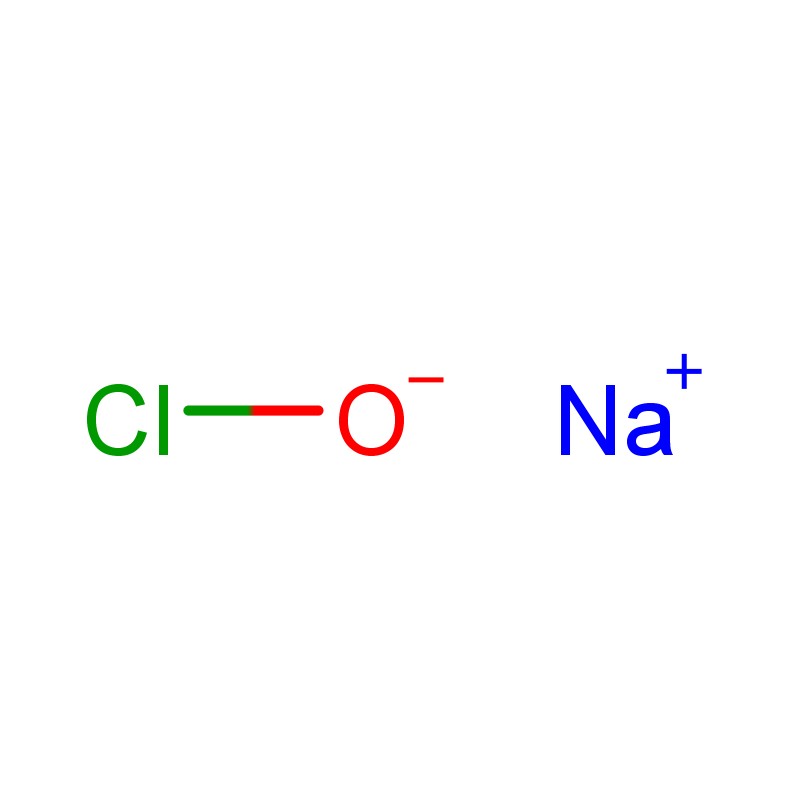
Why Is Sodium Hypochlorite Still a Powerful Choice for Modern Water Treatment
Leache has more than 40 years of experience in water treatment chemicals and supplies Sodium Hypochlorite for drinking water, swimming pools, wastewater systems, industrial cooling towers, and other disinfection applications. With customers in more than 60 countries, Leache focuses on practical, reliable, and cost-effective chemical solutions for professional water treatment operations.
Read More