
- English
- Español
- Português
- русский
- Français
- 日本語
- Deutsch
- tiếng Việt
- Italiano
- Nederlands
- ภาษาไทย
- Polski
- 한국어
- Svenska
- magyar
- Malay
- বাংলা ভাষার
- Dansk
- Suomi
- हिन्दी
- Pilipino
- Türkçe
- Gaeilge
- العربية
- Indonesia
- Norsk
- تمل
- český
- ελληνικά
- український
- Javanese
- فارسی
- தமிழ்
- తెలుగు
- नेपाली
- Burmese
- български
- ລາວ
- Latine
- Қазақша
- Euskal
- Azərbaycan
- Slovenský jazyk
- Македонски
- Lietuvos
- Eesti Keel
- Română
- Slovenski
- मराठी
- Srpski језик

Why Is 2-Chlorothiophene Important in Organic Synthesis?
Article Summary
2-Chlorothiophene is a valuable sulfur-containing heterocyclic compound used as a building block in organic synthesis and specialty chemical development. Its thiophene ring provides an aromatic framework, while the chlorine substituent at the 2-position offers a functional handle for further chemical transformations. These structural characteristics make it useful in the preparation of substituted thiophene derivatives and more complex molecular structures.
This article explores the molecular structure, chemical characteristics, synthetic significance, potential applications, quality considerations, storage requirements, and purchasing factors associated with 2-Chlorothiophene. It also explains what chemical manufacturers and procurement professionals should evaluate when sourcing this intermediate for research, development, and industrial applications.
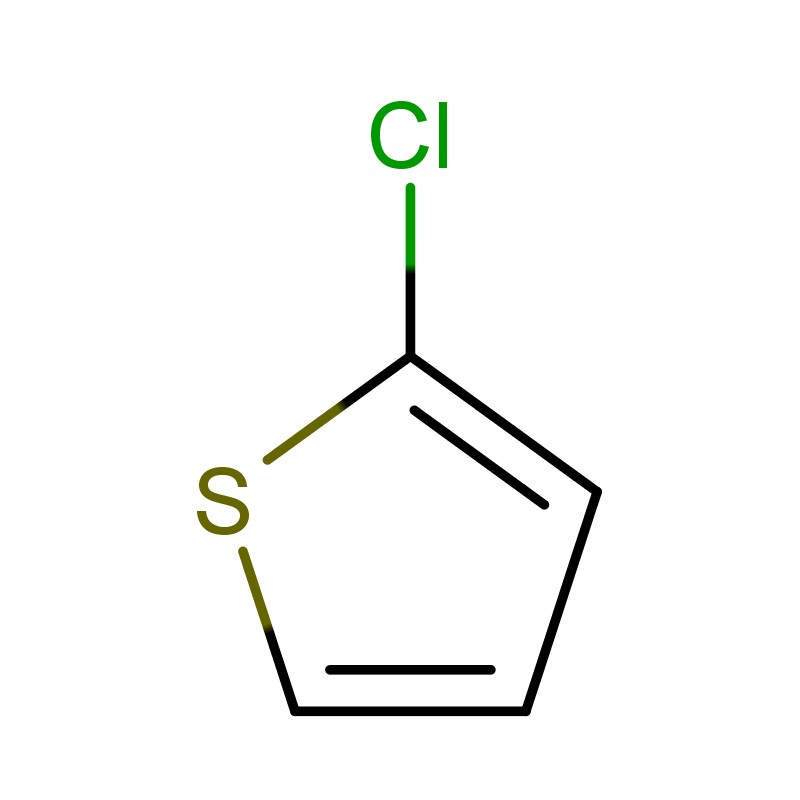
Table of Contents
- Introduction to 2-Chlorothiophene
- Molecular Structure and Chemical Identity
- Why Is 2-Chlorothiophene Important in Organic Synthesis?
- Key Chemical and Physical Properties
- Major Applications of 2-Chlorothiophene
- Chemical Reactivity and Synthetic Considerations
- Quality Factors Buyers Should Evaluate
- How to Select a Reliable 2-Chlorothiophene Supplier
- Handling, Packaging, and Storage Recommendations
- Common Procurement Challenges and Solutions
- Frequently Asked Questions
- Conclusion
1. Introduction to 2-Chlorothiophene
In modern chemical manufacturing, heterocyclic compounds play an important role in developing functional molecules, pharmaceutical intermediates, and specialty organic materials. Among these compounds, thiophene derivatives have attracted considerable attention because of their distinctive aromatic structures and versatile chemical behavior.
2-Chlorothiophene is one such compound. It consists of a five-membered sulfur-containing aromatic ring with a chlorine atom attached to the carbon at the 2-position. This combination gives the molecule a useful balance of structural stability and chemical reactivity.
For chemical researchers and manufacturers, the value of 2-Chlorothiophene lies primarily in its potential as a synthetic building block. It can serve as a starting material for preparing different substituted thiophene compounds, depending on the reaction conditions, catalysts, and subsequent functionalization strategies.
Its relatively simple molecular structure also makes it convenient for incorporating a thiophene unit into more complicated organic molecules. This is particularly relevant when researchers need to develop compounds with specific electronic, structural, or functional characteristics.
However, selecting a suitable grade of 2-Chlorothiophene requires more than identifying the chemical name. Purity, impurity profile, batch consistency, packaging, and documentation can all influence the performance of downstream synthesis.
2. Molecular Structure and Chemical Identity
Understanding the molecular structure of 2-Chlorothiophene is the first step toward evaluating its suitability for chemical synthesis and industrial research.
2.1 Basic Chemical Identification
| Property | Information |
|---|---|
| Product Name | 2-Chlorothiophene |
| CAS Number | 96-43-5 |
| Molecular Formula | C4H3ClS |
| Molecular Weight | 118.59 g/mol |
| IUPAC Name | 2-Chlorothiophene |
| Common Synonym | 2-Thienyl chloride |
| EC Number | 202-505-3 |
These identification details are useful when preparing purchase orders, comparing supplier specifications, checking regulatory documentation, and confirming that the requested material matches the intended chemical structure.
2.2 Understanding the Thiophene Ring
The thiophene ring is a five-membered aromatic heterocycle containing four carbon atoms and one sulfur atom. Its aromatic character contributes to the stability of the molecular framework, while its electronic structure influences the reactivity of substituted derivatives.
In 2-Chlorothiophene, the chlorine atom is attached directly to the carbon adjacent to the sulfur atom. This substitution pattern is important because the position of a functional group can influence the reaction pathways available during subsequent chemical transformations.
2.3 Why the 2-Position Matters
The position of chlorine on the thiophene ring affects how the compound participates in further synthesis. The 2-position provides a defined structural arrangement that can be used in the preparation of differently substituted thiophene derivatives.
For researchers, this positional information is essential when designing synthetic routes. It helps distinguish 2-Chlorothiophene from other chlorinated thiophene isomers and reduces the risk of selecting an unsuitable starting material.
3. Why Is 2-Chlorothiophene Important in Organic Synthesis?
The importance of 2-Chlorothiophene comes from the combination of its aromatic heterocyclic framework and its reactive carbon-chlorine bond. These features make it a useful intermediate for constructing more complex organic compounds.
3.1 A Versatile Starting Material
Organic synthesis frequently involves converting relatively simple molecules into more sophisticated structures through a sequence of controlled reactions. A suitable intermediate should offer a predictable structural framework and functional groups that can participate in further transformations.
2-Chlorothiophene meets these requirements in several synthetic contexts. Its thiophene ring can become part of a larger molecular structure, while the chlorine substituent provides a potential site for chemical modification.
3.2 Opportunities for Carbon-Carbon Bond Formation
One important synthetic application of aryl and heteroaryl halides is their participation in transition-metal-catalyzed cross-coupling reactions. Under appropriately selected conditions, chlorinated heteroaromatic compounds can be used to construct new carbon-carbon bonds.
For example, suitable catalytic systems may enable coupling with organometallic partners to produce substituted thiophene derivatives. The actual feasibility and efficiency depend on catalyst selection, reaction conditions, substrate characteristics, and the compatibility of other functional groups.
3.3 Supporting Molecular Design
Thiophene-containing structures are relevant to several areas of materials and organic chemistry. Researchers may incorporate thiophene units when investigating molecular conjugation, electronic properties, or the structural behavior of functional organic compounds.
Using 2-Chlorothiophene as a starting material allows chemists to introduce a thiophene fragment into a broader molecular design strategy.
3.4 Improving Synthetic Route Flexibility
Different chemical projects require different molecular structures. A starting material that can undergo multiple types of transformations gives researchers greater flexibility when developing synthetic routes.
Although no single intermediate is suitable for every reaction, 2-Chlorothiophene offers a practical option when the target molecule requires a 2-substituted thiophene framework.
Key takeaway:
2-Chlorothiophene is valuable not simply because it contains chlorine or sulfur, but because its molecular structure provides a useful starting point for further heterocyclic functionalization and molecular construction.
4. Key Chemical and Physical Properties
Physical and chemical properties are important considerations when evaluating a chemical intermediate. They influence analytical identification, handling procedures, storage arrangements, and compatibility with downstream processes.
4.1 Molecular and Structural Characteristics
The molecular formula of 2-Chlorothiophene is C4H3ClS, and its molecular weight is approximately 118.59 g/mol. The compound contains one sulfur atom and one chlorine atom within a relatively compact aromatic molecular structure.
These structural characteristics help distinguish it from unsubstituted thiophene and other chlorinated heterocyclic compounds.
4.2 Selected Property Information
| Property | Value or Description |
|---|---|
| Molecular Formula | C4H3ClS |
| Molecular Weight | 118.59 g/mol |
| CAS Number | 96-43-5 |
| Aromatic Character | Heteroaromatic |
| Heteroatom | Sulfur |
| Halogen Substituent | Chlorine |
| Calculated XLogP3 | Approximately 2.5 |
Some property values are calculated descriptors rather than direct experimental measurements. Buyers should therefore refer to the current product specification and technical documentation when evaluating a commercial batch.
4.3 Why Property Consistency Matters
Even when a chemical has a clearly defined molecular identity, differences in purity and trace impurities can influence its behavior in subsequent reactions.
For manufacturers, consistent material quality helps reduce unexpected variations between production batches. For research laboratories, it improves the reliability of experimental comparisons and analytical results.
Important documentation may include:
- Certificate of Analysis (COA).
- Safety Data Sheet (SDS).
- Purity information and analytical test methods.
- Batch number and manufacturing or testing date.
- Storage and transportation recommendations.
5. Major Applications of 2-Chlorothiophene
The application of 2-Chlorothiophene is primarily associated with its role as an organic synthesis intermediate. Its usefulness depends on the target structure and the chemistry selected by the research or manufacturing team.
5.1 Pharmaceutical Intermediate Development
Thiophene rings are found in a variety of biologically active molecules and pharmaceutical research compounds. Their presence can influence molecular shape, electronic distribution, and interactions with biological targets.
2-Chlorothiophene can serve as a starting material in synthetic pathways designed to prepare substituted thiophene-containing structures. Researchers may use appropriate transformations to modify the chlorine-bearing position and introduce additional functional groups.
It is important to distinguish between an intermediate's synthetic usefulness and an approved pharmaceutical application. The use of 2-Chlorothiophene does not by itself establish that a resulting compound has therapeutic activity or regulatory approval.
5.2 Agrochemical Research
Heterocyclic compounds are widely investigated in the development of agricultural chemicals. Structural modification of aromatic rings can help researchers explore new molecular architectures and functional characteristics.
As a chlorinated thiophene building block, 2-Chlorothiophene may be considered in suitable research routes for producing substituted heterocyclic compounds. Its actual suitability depends on the target molecule, reaction feasibility, and applicable chemical regulations.
5.3 Specialty Chemical Synthesis
Specialty chemical manufacturers often require intermediates with specific molecular structures and consistent quality. Thiophene derivatives can contribute to the development of customized organic compounds for different technical applications.
2-Chlorothiophene offers a defined heteroaromatic structure that can be incorporated into more complex synthesis programs.
5.4 Functional Organic Materials
Thiophene-based molecules are also relevant to research involving organic electronic materials and conjugated molecular systems. The thiophene ring can participate in extended conjugated structures when appropriately functionalized.
Researchers may investigate substituted thiophene derivatives for their potential electronic and optical properties. However, 2-Chlorothiophene is generally considered a precursor rather than a finished functional material.
5.5 Academic and Industrial Research
In academic laboratories and industrial research centers, 2-Chlorothiophene may be used to investigate heterocyclic substitution chemistry, reaction selectivity, and the development of new synthetic methodologies.
Its relatively straightforward molecular structure makes it a useful candidate for studying the behavior of substituted thiophene compounds.
6. Chemical Reactivity and Synthetic Considerations
Understanding the potential reactivity of 2-Chlorothiophene helps researchers evaluate whether it is appropriate for a particular synthetic pathway.
6.1 Reactivity of the Carbon-Chlorine Bond
The carbon-chlorine bond attached to the thiophene ring can serve as a functional handle in certain organic transformations. However, the reactivity of heteroaryl chlorides is strongly influenced by the aromatic system and reaction environment.
Some transformations may require carefully selected transition-metal catalysts, suitable reaction partners, and optimized conditions. A reaction that works efficiently with an aryl bromide or iodide cannot automatically be assumed to work equally well with a heteroaryl chloride.
6.2 Cross-Coupling Chemistry
Cross-coupling chemistry provides one possible approach for modifying halogenated aromatic compounds. Depending on the selected reaction system, researchers may investigate the formation of carbon-carbon bonds between the thiophene framework and other molecular fragments.
Reaction development should consider:
- Catalyst activity and compatibility.
- Choice of coupling partner.
- Solvent and temperature requirements.
- Potential side reactions.
- Product selectivity and purification requirements.
6.3 Analytical Monitoring
Reliable analytical methods are important for confirming the identity of the starting material and monitoring chemical transformations.
Depending on the analytical objective, laboratories may use gas chromatography, gas chromatography-mass spectrometry, nuclear magnetic resonance spectroscopy, or other suitable techniques.
Analytical method selection should be based on the compound's properties, expected impurities, and the requirements of the specific research or manufacturing process.
7. Quality Factors Buyers Should Evaluate
For procurement professionals, the quality of 2-Chlorothiophene is directly connected to production consistency, process reliability, and overall material costs.
7.1 Chemical Purity
Purity is one of the first specifications buyers should review. The required purity level depends on the intended application and the sensitivity of downstream reactions.
A higher-purity material may be necessary for demanding synthesis routes, while other applications may have different acceptable specifications. Buyers should confirm the actual analytical results instead of relying only on a general product description.
7.2 Impurity Profile
Two batches with similar stated purity may still contain different impurity profiles. Certain trace components can interfere with sensitive reactions or affect final product specifications.
When impurity control is important, request relevant analytical information and discuss critical impurity limits with the supplier before ordering.
7.3 Batch-to-Batch Consistency
Consistency is particularly important for companies conducting repeated production runs. Variations in starting materials may lead to differences in reaction performance, purification workload, and final product quality.
Buyers should evaluate whether the supplier maintains documented quality control procedures and traceable batch records.
7.4 Documentation and Traceability
Professional chemical procurement requires reliable documentation. Before confirming an order, buyers should consider requesting:
- A current Certificate of Analysis.
- A Safety Data Sheet.
- Product identification and CAS number confirmation.
- Available analytical test results.
- Batch traceability information.
- Relevant packaging and transportation details.
8. How to Select a Reliable 2-Chlorothiophene Supplier
Finding a suitable supplier is not only about comparing prices. Chemical buyers also need to consider product specifications, communication efficiency, documentation, and the supplier's ability to support ongoing procurement requirements.
8.1 Confirm Product Specifications
Start by confirming that the supplier can provide the correct chemical identity, CAS number, purity range, and relevant quality information.
A clear specification helps prevent misunderstandings and makes supplier comparisons more meaningful.
8.2 Review Quality Control Capabilities
Ask about the supplier's quality inspection procedures and available analytical documentation. If your application has specific impurity limits or testing requirements, communicate these before placing an order.
8.3 Evaluate Supply Reliability
For manufacturers with continuous production schedules, supply stability can be just as important as product quality.
Consider discussing available inventory, production lead times, minimum order quantities, and the supplier's ability to coordinate repeat orders.
8.4 Check Packaging and Logistics
Packaging should be appropriate for the chemical's physical and safety characteristics. Buyers should confirm the available packaging options, compatibility with transportation requirements, labeling, and export documentation.
8.5 Compare Total Procurement Value
The lowest quotation does not always represent the best purchasing decision. Additional factors such as quality consistency, delivery reliability, packaging, documentation, and communication should also be considered.
Buyer checklist:
- Correct chemical identity: CAS 96-43-5.
- Confirmed purity and specification.
- Available COA and SDS.
- Clear packaging and delivery information.
- Reliable communication and after-sales support.
- Transparent quotation and order conditions.
9. Handling, Packaging, and Storage Recommendations
Proper handling and storage are essential when working with 2-Chlorothiophene. The compound is classified in chemical safety references as a flammable liquid, and certain hazard classifications also identify acute toxicity and irritation risks. The exact classification and precautions should be confirmed using the supplier's current SDS and applicable regulations.
9.1 Safe Handling
Personnel handling this material should follow established chemical safety procedures. Appropriate engineering controls, including suitable ventilation, should be used to minimize exposure.
Recommended precautions include:
- Use appropriate chemical-resistant gloves and protective clothing.
- Wear suitable eye and face protection.
- Avoid inhalation of vapors and direct skin or eye contact.
- Keep the material away from heat, sparks, and open flames.
- Use suitable equipment and procedures for flammable liquids.
- Follow the current SDS and workplace chemical safety requirements.
9.2 Storage Conditions
2-Chlorothiophene should be stored in a suitable, tightly closed, compatible container under the conditions specified by the manufacturer and SDS.
Storage arrangements should take account of its flammability, chemical compatibility, ventilation, and applicable requirements for flammable chemical storage.
9.3 Packaging Considerations
Packaging should protect the material during storage and transportation while meeting applicable dangerous goods and regulatory requirements.
Before shipment, buyers should confirm container compatibility, labeling, packaging specifications, and transportation documentation with the supplier and logistics provider.
10. Common Procurement Challenges and Solutions
Purchasing specialty chemical intermediates can involve several challenges. Identifying these issues early helps reduce delays and improve the efficiency of chemical procurement.
Challenge 1: Incomplete Product Information
Problem: A quotation may contain only the chemical name and price, without enough information to evaluate the material.
Solution: Request the CAS number, purity specification, COA, SDS, and relevant analytical details before confirming the order.
Challenge 2: Inconsistent Quality Between Batches
Problem: Variations in material quality may affect downstream reaction performance.
Solution: Discuss quality requirements in advance and establish clear acceptance criteria for each batch.
Challenge 3: Unclear Delivery Schedules
Problem: Uncertain lead times can disrupt laboratory projects and industrial production planning.
Solution: Confirm inventory status, production lead time, shipping arrangements, and expected delivery schedules before placing an order.
Challenge 4: Poor Communication During Procurement
Problem: Delayed technical responses or unclear quotation details can make supplier evaluation difficult.
Solution: Work with a supplier that can provide clear product information, responsive communication, and transparent order conditions.
Challenge 5: Unsuitable Packaging or Transportation Arrangements
Problem: Inadequate packaging and incomplete shipping documentation may create transportation complications.
Solution: Confirm the appropriate packaging type, hazard classification, labeling, and transport requirements before dispatch.
11. Frequently Asked Questions About 2-Chlorothiophene
Q1: What is 2-Chlorothiophene used for?
2-Chlorothiophene is mainly used as an organic synthesis intermediate. It provides a thiophene ring and a chlorine substituent that can be used in selected chemical transformations to prepare more complex heterocyclic compounds.
Q2: What is the CAS number of 2-Chlorothiophene?
The CAS Registry Number of 2-Chlorothiophene is 96-43-5. This identifier is useful for product verification, procurement documentation, and chemical database searches.
Q3: What is the molecular formula of 2-Chlorothiophene?
Its molecular formula is C4H3ClS, and its molecular weight is approximately 118.59 g/mol.
Q4: Is 2-Chlorothiophene a heterocyclic compound?
Yes. It contains a five-membered aromatic ring with one sulfur atom and four carbon atoms, making it a sulfur-containing heterocyclic compound.
Q5: Why is the chlorine substituent important?
The chlorine substituent provides a potential site for further functionalization. Under suitable reaction conditions, it can participate in selected transformations, including certain catalytic coupling reactions.
Q6: Can 2-Chlorothiophene be used in pharmaceutical research?
It can be considered as a synthetic building block in research involving thiophene-containing molecular structures. Its suitability depends on the specific synthetic route and target compound.
Q7: What purity should buyers request?
The required purity depends on the intended application and downstream process. Buyers should specify their technical requirements and request a current Certificate of Analysis to verify the actual batch quality.
Q8: What documents should accompany a purchase?
Commonly requested documents include a Certificate of Analysis, Safety Data Sheet, product specification, batch identification, and applicable transportation documentation.
Q9: How should 2-Chlorothiophene be stored?
It should be stored in a compatible, tightly closed container under the conditions specified in the current SDS. Because it is flammable, appropriate fire prevention, ventilation, and chemical storage controls are necessary.
Q10: What should buyers consider when choosing a supplier?
Buyers should evaluate chemical identity, purity, batch consistency, analytical documentation, packaging, delivery reliability, and technical communication rather than focusing on price alone.
12. Conclusion
2-Chlorothiophene is a useful sulfur-containing heterocyclic intermediate with an important role in organic synthesis. Its thiophene framework provides a valuable structural unit, while the chlorine substituent offers opportunities for further chemical modification.
From pharmaceutical intermediate research and agrochemical development to specialty chemical synthesis and functional organic materials research, its potential applications are connected to the ability to construct and modify thiophene-containing molecular structures.
For chemical manufacturers, researchers, and purchasing professionals, successful sourcing requires attention to more than the product name. Chemical purity, impurity control, batch consistency, technical documentation, safe handling, and dependable delivery all contribute to a reliable supply process.
Working with an experienced chemical supplier can help buyers obtain the product information and procurement support needed for their projects. Leache Chem LTD. focuses on providing chemical product solutions and supporting customers with their specialty chemical sourcing requirements.
Looking for a Reliable 2-Chlorothiophene Supplier?
Choosing the right chemical intermediate is an important step toward maintaining consistent research and production results. If you are sourcing 2-Chlorothiophene for laboratory development, industrial synthesis, or ongoing procurement, obtaining clear specifications and reliable product documentation is essential.
Contact Leache Chem LTD. to discuss your 2-Chlorothiophene requirements, including product specifications, purity, packaging, quantity, and delivery arrangements.
Contact us today to request product details and a quotation. Let us support your chemical sourcing needs with professional service and dependable communication.