

Leache has more than 40 years of experience in water treatment chemicals and supplies Sodium Hypochlorite for drinking water, swimming pools, wastewater systems, industrial cooling towers, and other disinfection applications. With customers in more than 60 countries, Leache focuses on practical, reliable, and cost-effective chemical solutions for professional water treatment operations.
Sodium Hypochlorite is one of the most widely used liquid disinfectants in modern water treatment because of its strong oxidation capability, fast microbial control, and convenient dosing characteristics. It can help control bacteria, viruses, algae, odors, and organic contaminants across municipal, commercial, and industrial water systems.
For buyers, however, selecting a suitable Sodium Hypochlorite supplier involves more than simply comparing prices. Active chlorine content, appearance, pH, packaging, storage requirements, transportation, application conditions, and supplier experience all influence the overall value of the product. This guide explains the key characteristics, applications, specifications, packaging options, and purchasing considerations of Sodium Hypochlorite while highlighting what professional buyers should evaluate before placing an order.
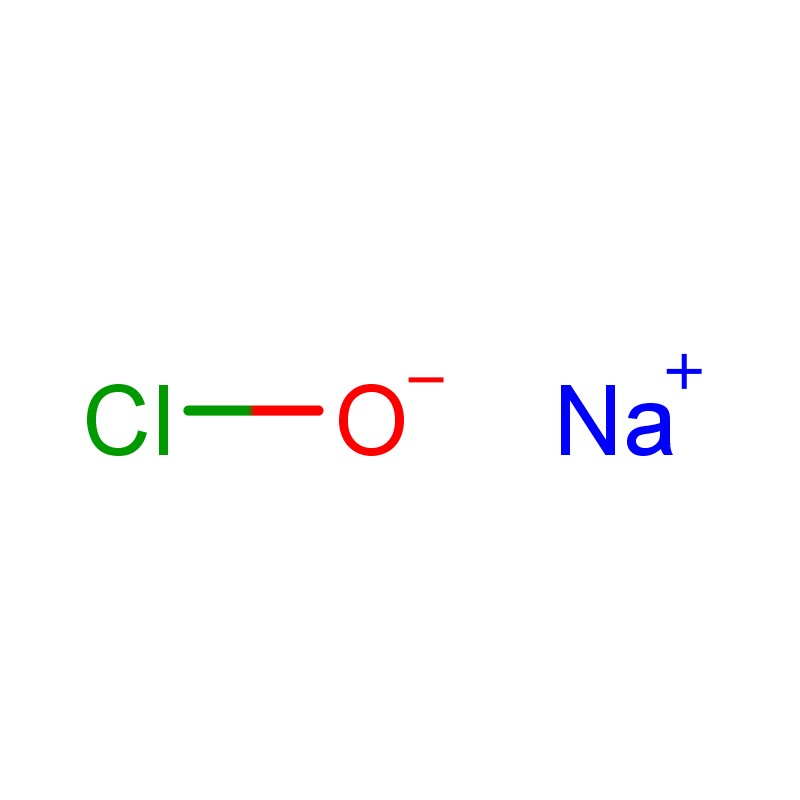
Table of Contents
1. What Is Sodium Hypochlorite?
2. What Are the Key Properties of Sodium Hypochlorite?
3. What Are the Typical Sodium Hypochlorite Specifications?
4. Where Is Sodium Hypochlorite Used?
5. Why Is Sodium Hypochlorite Widely Used for Disinfection?
6. What Should Buyers Consider When Choosing a Supplier?
7. How Should Sodium Hypochlorite Be Packaged and Stored?
8. Why Choose Leache as a Sodium Hypochlorite Supplier?
What Is Sodium Hypochlorite?
Sodium Hypochlorite is a chlorine-based oxidizing and disinfecting chemical commonly supplied as a clear to pale-yellow liquid. It is widely used in water treatment because it can provide effective microbial control when correctly dosed and managed.
For water treatment operators, the main value of Sodium Hypochlorite comes from its ability to release available chlorine into water. This makes it suitable for controlling microorganisms and improving water hygiene in a variety of systems.
Unlike solid chlorine products that require dissolution before dosing, liquid Sodium Hypochlorite can be integrated into chemical dosing systems, allowing operators to control the amount introduced into a treatment process according to water quality and operational requirements.
Leache's product information identifies Sodium Hypochlorite under CAS No. 108-80-5 and describes it as a strong oxidizing and disinfecting agent for drinking water, swimming pools, wastewater, and industrial water treatment.
What Are the Key Properties of Sodium Hypochlorite?
The performance of a Sodium Hypochlorite product is closely associated with its available chlorine content, concentration, pH, appearance, and handling conditions. These properties are important for both end users and bulk chemical buyers.
- Strong oxidation capability: Sodium Hypochlorite can oxidize various contaminants and support effective water disinfection.
- Broad disinfection applications: It can be used in drinking water, pools, wastewater, and industrial water systems.
- Fast microbial control: Properly dosed available chlorine can help control bacteria, viruses, and algae.
- Liquid dosing convenience: Its liquid form makes it suitable for automated chemical dosing equipment.
- Flexible packaging: Different packaging formats can support small-volume and bulk purchasing requirements.
Because Sodium Hypochlorite is a reactive chemical, product concentration and storage conditions should always be evaluated according to the intended application, local regulations, supplier documentation, and applicable safety requirements.
What Are the Typical Sodium Hypochlorite Specifications?
When purchasing Sodium Hypochlorite, technical specifications provide a straightforward way to compare products from different suppliers. Leache's published specifications indicate an active chlorine content of 10–15%, a clear pale-yellow appearance, and a supplied pH range of 11–13.
| Specification | Leache Reference Value | Why It Matters |
|---|---|---|
| Product | Sodium Hypochlorite | Liquid chlorine-based oxidizing and disinfecting chemical |
| CAS No. | 108-80-5 | Provides a standardized chemical identification reference |
| Active Chlorine Content | 10–15% | Helps determine available disinfecting capacity and dosing requirements |
| Appearance | Clear, pale-yellow liquid | Provides a basic visual quality reference |
| pH Range | 11–13 as supplied | Important for handling, dosing, and water-treatment process control |
| Packaging | 25 kg and 200 kg PE drums; bulk tanker available | Supports different purchasing and logistics requirements |
Actual specifications should always be confirmed with the supplier before purchasing, especially when the chemical is intended for regulated applications such as drinking water treatment or large-scale industrial processes.
Where Is Sodium Hypochlorite Used?
Sodium Hypochlorite has a broad application range because disinfection and oxidation are essential parts of many water treatment processes. Its applications can range from small commercial facilities to large municipal or industrial treatment systems.
Drinking Water Treatment
One of the most important applications is drinking water treatment. Sodium Hypochlorite can be introduced into a properly designed treatment process to help control microorganisms and maintain hygienic water quality.
Swimming Pool and Spa Water
Swimming pools require continuous water quality management because organic matter and microorganisms can enter the water through swimmers and the surrounding environment. Sodium Hypochlorite can be used as a chlorine-based disinfectant when applied according to the pool's treatment system and operating requirements.
Wastewater Treatment
Wastewater treatment facilities may use Sodium Hypochlorite for microbial control and other treatment objectives. It can also contribute to odor-control strategies in certain wastewater applications.
Industrial Cooling Towers
Industrial cooling systems require effective management of microorganisms to maintain stable operation. Sodium Hypochlorite can be incorporated into water treatment programs designed for industrial circulating water and cooling towers.
Other Water Treatment Systems
Depending on treatment design and regulatory requirements, Sodium Hypochlorite can also be considered for:
- Municipal wastewater systems
- Industrial wastewater treatment
- Commercial water systems
- Landscape and fountain water
- Aquaculture-related water treatment
- Livestock wastewater treatment
- Slaughterhouse wastewater treatment
Leache describes its broader water-treatment chemical portfolio as serving industrial water treatment, leisure water treatment, living water treatment, wastewater, aquaculture, livestock, and other applications.
Why Is Sodium Hypochlorite Widely Used for Disinfection?
The popularity of Sodium Hypochlorite comes from a combination of chemical performance, dosing flexibility, and application versatility.
- Effective disinfection: It provides available chlorine that can help control a broad range of microorganisms.
- Easy integration into dosing systems: As a liquid product, it can be metered through suitable chemical dosing equipment.
- Wide application range: The same general chemical can serve different water-treatment environments when properly specified and dosed.
- Scalable supply: Packaging from drums to bulk tanker delivery can accommodate different consumption levels.
- Established technology: Chlorine-based disinfection has long been used in professional water treatment.
However, effectiveness should never be evaluated only by concentration. Water chemistry, dosage, contact conditions, temperature, pH, organic load, and system design can all influence disinfection performance. Professional operators should therefore follow applicable technical standards and supplier instructions.
What Should Buyers Consider When Choosing a Sodium Hypochlorite Supplier?
For procurement teams, choosing a Sodium Hypochlorite supplier is a technical and commercial decision. A low unit price may not necessarily represent the best total purchasing value if packaging, concentration stability, logistics, documentation, or after-sales support are inadequate.
Before placing a bulk order, buyers should consider the following factors:
- Active chlorine content: Confirm that the concentration matches the requirements of your treatment process.
- Product consistency: Ask for technical specifications and relevant quality documentation for each shipment.
- Packaging: Select suitable polyethylene drums or bulk transportation according to consumption volume.
- Transportation capability: Chemical logistics should comply with applicable transportation and safety regulations.
- Storage guidance: Confirm recommended storage conditions, shelf-life information, and handling requirements.
- Production experience: A supplier with established chemical manufacturing experience can provide stronger process and quality support.
- Export experience: International buyers should evaluate whether the supplier has experience serving overseas markets.
- Technical communication: The supplier should be able to clarify product specifications, packaging, and application-related questions.
For large-volume procurement, it is also useful to compare suppliers based on total delivered cost rather than product price alone. Packaging, freight, documentation, lead time, order quantity, and delivery method can all affect the final purchasing cost.
How Should Sodium Hypochlorite Be Packaged and Stored?
Packaging is an important part of Sodium Hypochlorite supply because the product requires appropriate chemical-resistant containers and controlled handling. Leache provides 25 kg and 200 kg polyethylene drums and can also arrange customized bulk tanker delivery for high-volume users.
Professional users should establish storage and handling procedures based on the supplier's safety documentation and local regulations. General considerations include:
- Use compatible chemical-resistant storage containers.
- Keep containers properly closed when not in use.
- Protect the product from unsuitable environmental conditions.
- Separate Sodium Hypochlorite from incompatible chemicals.
- Provide appropriate ventilation and chemical-handling controls.
- Ensure personnel use suitable personal protective equipment.
- Follow the supplier's Safety Data Sheet and applicable local regulations.
Correct storage and handling are essential for maintaining product quality and protecting workers, equipment, and the surrounding environment.
Why Choose Leache as a Sodium Hypochlorite Supplier?
Supplier experience is particularly important when purchasing water treatment chemicals for continuous industrial or municipal use. According to its published company information, Leache Chem was established in 1972 and has been engaged in chemical R&D, manufacturing, and international business for decades. The company reports serving customers in more than 60 countries.
Leache's Sodium Hypochlorite product is positioned specifically for water treatment applications, with published technical information covering active chlorine content, appearance, pH, packaging, and application areas. This provides buyers with a practical starting point for evaluating product suitability.
Key supplier advantages include:
- More than four decades of chemical industry experience
- Dedicated water treatment chemical production experience
- International market and export experience
- Applications covering municipal, industrial, pool, and wastewater treatment
- Multiple packaging options for different order volumes
- Bulk tanker delivery options for high-consumption customers
- Technical support for product and purchasing requirements
For buyers searching for a Sodium Hypochlorite manufacturer or a China-based water treatment chemical supplier, reviewing technical specifications, packaging options, and application compatibility before ordering can help create a more reliable procurement process.
Sodium Hypochlorite FAQ
What is Sodium Hypochlorite mainly used for?
Sodium Hypochlorite is mainly used as an oxidizing and disinfecting chemical in water treatment. Common applications include drinking water, swimming pools, wastewater systems, and industrial cooling towers.
What is the CAS number of Sodium Hypochlorite?
The Sodium Hypochlorite product listed by Leache uses CAS No. 108-80-5. Buyers should confirm the chemical identification and product specifications on the supplier's current technical documentation before purchasing.
What is the active chlorine content of Leache Sodium Hypochlorite?
Leache publishes an active chlorine content range of 10–15% for its Sodium Hypochlorite product. The company page also states that its formulation has more than 12% active chlorine.
What does Sodium Hypochlorite look like?
According to Leache's published product specifications, Sodium Hypochlorite is supplied as a clear, pale-yellow liquid, with a pH range of 11–13 as supplied.
What packaging options are available?
Leache lists 25 kg and 200 kg polyethylene drums and customized bulk tanker delivery for customers with higher consumption requirements.
How should Sodium Hypochlorite be handled?
Sodium Hypochlorite should be handled according to the supplier's Safety Data Sheet, applicable regulations, and site-specific chemical safety procedures. Users should pay particular attention to compatible storage materials, ventilation, personal protective equipment, and separation from incompatible substances.
Conclusion
Sodium Hypochlorite remains an important water treatment chemical because it combines strong oxidation and disinfection capabilities with flexible liquid dosing and broad application potential. From drinking water and swimming pools to wastewater and industrial cooling systems, it can support effective water quality management when correctly specified, dosed, stored, and handled. For buyers evaluating a China Sodium Hypochlorite supplier, Leache offers established chemical manufacturing experience, international supply capabilities, multiple packaging options, and a product specification designed for diverse water treatment applications. If you are looking for a reliable Sodium Hypochlorite solution, need bulk supply, or want to discuss packaging and application requirements, contact us today for professional support and a customized quotation from Leache.