
- English
- Español
- Português
- русский
- Français
- 日本語
- Deutsch
- tiếng Việt
- Italiano
- Nederlands
- ภาษาไทย
- Polski
- 한국어
- Svenska
- magyar
- Malay
- বাংলা ভাষার
- Dansk
- Suomi
- हिन्दी
- Pilipino
- Türkçe
- Gaeilge
- العربية
- Indonesia
- Norsk
- تمل
- český
- ελληνικά
- український
- Javanese
- فارسی
- தமிழ்
- తెలుగు
- नेपाली
- Burmese
- български
- ລາວ
- Latine
- Қазақша
- Euskal
- Azərbaycan
- Slovenský jazyk
- Македонски
- Lietuvos
- Eesti Keel
- Română
- Slovenski
- मराठी
- Srpski језик

Why Is Sodium Dichloroisocyanurate (SDIC) Becoming a Preferred Solution for Modern Water Disinfection
As a professional chemical supplier, Leache provides high-quality Sodium Dichloroisocyanurate (SDIC) designed for efficient disinfection, sanitation, and water treatment applications. This advanced chlorine-based chemical offers stable chlorine release, strong antimicrobial performance, and convenient storage characteristics, making it widely used in swimming pools, industrial water systems, food sanitation, and emergency water purification.
Sodium Dichloroisocyanurate (SDIC) is a highly effective chlorine-releasing disinfectant known for its excellent stability, high available chlorine content, and broad application range. Compared with traditional liquid chlorine solutions, SDIC provides easier transportation, longer shelf life, and more accurate dosing control. This article explains SDIC chemistry, key properties, industrial applications, product specifications, advantages, and purchasing considerations to help users better understand this important water treatment chemical.
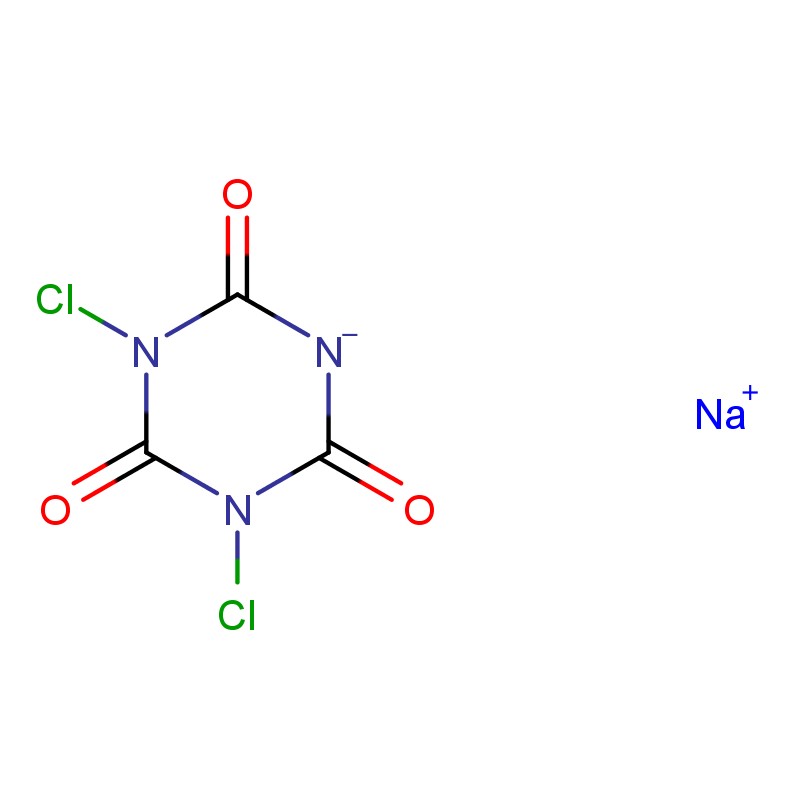
Table of Contents
- What Is Sodium Dichloroisocyanurate (SDIC)?
- Chemical Properties and Technical Characteristics of SDIC
- How Does SDIC Work as a Disinfectant?
- Main Applications of Sodium Dichloroisocyanurate
- Why Choose SDIC for Water Treatment?
- How to Select a Reliable SDIC Supplier?
- Frequently Asked Questions About SDIC
- Conclusion
What Is Sodium Dichloroisocyanurate (SDIC)?
Sodium Dichloroisocyanurate (SDIC), also known as NaDCC, is an organic chlorine compound widely used as a disinfectant and sanitation chemical. It is a sodium salt of dichloroisocyanuric acid and acts as a stable source of available chlorine when dissolved in water. The released chlorine forms hypochlorous acid, which provides strong oxidation and microbial control capability.
SDIC is commonly produced in powder, granular, or tablet forms. Its solid structure makes it easier to transport and store compared with liquid chlorine products. Due to its high chlorine efficiency and stability, SDIC has become an important chemical choice for municipal water treatment, swimming pool maintenance, healthcare sanitation, and industrial cleaning applications.
Chemical Properties and Technical Characteristics of SDIC
Understanding the technical characteristics of Sodium Dichloroisocyanurate helps users select the right grade for different applications. SDIC performance mainly depends on available chlorine content, purity, moisture level, and product stability.
| Item | Typical Value | Description |
|---|---|---|
| Chemical Name | Sodium Dichloroisocyanurate | Chlorine-based disinfectant chemical |
| CAS Number | 2893-78-9 | Common identification number for SDIC |
| Molecular Formula | C3Cl2N3NaO3 | Basic chemical composition |
| Appearance | White powder, granules, or tablets | Convenient for storage and application |
| Available Chlorine | Usually 55%-60% | Main indicator of disinfection efficiency |
| Solubility | Highly soluble in water | Supports fast chlorine release |
| Application | Water treatment and sanitation | Suitable for multiple industries |
The high available chlorine content of SDIC allows users to achieve effective disinfection with relatively low dosage requirements. Proper storage in a dry and cool environment helps maintain product performance and extends shelf life.
How Does SDIC Work as a Disinfectant?
The working mechanism of Sodium Dichloroisocyanurate is based on controlled chlorine release. When SDIC contacts water, it dissolves and releases active chlorine compounds, mainly hypochlorous acid (HOCl). This active substance penetrates microorganisms and destroys essential cellular structures, including proteins and enzymes.
Because hypochlorous acid has strong oxidation capability, SDIC can effectively control bacteria, viruses, fungi, and algae. This makes it suitable for applications where reliable microbial management is required.
- Rapid dissolution for quick disinfection response
- Stable chlorine release for continuous protection
- Broad-spectrum antimicrobial performance
- Suitable for automated dosing systems
Main Applications of Sodium Dichloroisocyanurate
Due to its excellent stability and disinfection efficiency, SDIC is used across many industries. Its flexible forms and controllable chlorine release characteristics allow it to meet different sanitation requirements.
1. Swimming Pool Water Treatment
SDIC is one of the commonly used chemicals for swimming pool sanitation. It helps maintain clear water quality by controlling bacteria and algae growth while providing a stable chlorine residual.
2. Drinking Water Disinfection
SDIC can be used for emergency drinking water purification and household water treatment. Its solid form makes transportation and storage easier, especially in areas where liquid disinfectants are difficult to handle.
3. Industrial Water Systems
Cooling towers, wastewater systems, and industrial circulation water often require effective microbial control. SDIC provides a practical solution for maintaining system hygiene and reducing biological contamination risks.
4. Food and Healthcare Sanitation
Food processing facilities and healthcare environments use chlorine-based disinfectants to maintain strict hygiene standards. SDIC offers reliable oxidation performance for cleaning and sanitation procedures.
Why Choose SDIC for Water Treatment?
Compared with some traditional chlorine products, Sodium Dichloroisocyanurate provides several operational advantages.
| Advantage | Benefit |
|---|---|
| High Chlorine Efficiency | Provides effective disinfection with controlled dosage |
| Excellent Stability | Maintains performance during storage and transportation |
| Easy Handling | Solid form reduces difficulties in chemical management |
| Wide Application Range | Suitable for pools, water systems, and sanitation industries |
| Flexible Product Forms | Available as powder, granules, or tablets |
These advantages make SDIC an efficient choice for companies seeking reliable disinfection solutions with improved operational convenience.
How to Select a Reliable SDIC Supplier?
Choosing a qualified Sodium Dichloroisocyanurate supplier is important for ensuring consistent product quality and application performance. Buyers should evaluate several factors before making a purchasing decision.
- Product Quality Control: Check available chlorine content, purity, and technical specifications.
- Production Capability: Confirm whether the supplier can provide stable supply for long-term requirements.
- Technical Support: A professional supplier should provide product guidance and application recommendations.
- Packaging and Storage: Proper packaging helps maintain chemical stability during transportation.
- Compliance Documentation: Review relevant quality documents and safety information.
Working with an experienced chemical manufacturer helps industrial users obtain consistent SDIC quality and improve treatment efficiency.
Frequently Asked Questions About SDIC
Q1: What is Sodium Dichloroisocyanurate (SDIC) mainly used for?
Sodium Dichloroisocyanurate is mainly used for water disinfection, swimming pool sanitation, industrial water treatment, food hygiene, and emergency water purification. It works as a stable chlorine source that releases active chlorine in water.
Q2: What is the difference between SDIC powder, granules, and tablets?
The three forms have the same basic chemical function but are designed for different applications. Powder and granules are commonly used for industrial dosing, while tablets are convenient for controlled release applications such as swimming pools and portable water purification.
Q3: How should SDIC be stored?
SDIC should be stored in a dry, cool, and well-ventilated area away from incompatible materials. Proper storage conditions help maintain chlorine content and product stability.
Q4: Why is SDIC widely chosen instead of liquid chlorine?
SDIC provides easier transportation, longer storage stability, and simpler handling compared with many liquid chlorine products. These features make it suitable for various industrial and commercial applications.
Conclusion
Sodium Dichloroisocyanurate (SDIC) has become an essential disinfectant chemical because of its stable chlorine release, high efficiency, and wide application possibilities. From swimming pools and industrial water systems to sanitation and emergency purification, SDIC offers a practical solution for maintaining safe and clean water environments. With reliable quality control and professional chemical support, Leache helps customers obtain effective SDIC products for different application needs. For more product specifications, customized solutions, or professional assistance, please contact us today.