
- English
- Español
- Português
- русский
- Français
- 日本語
- Deutsch
- tiếng Việt
- Italiano
- Nederlands
- ภาษาไทย
- Polski
- 한국어
- Svenska
- magyar
- Malay
- বাংলা ভাষার
- Dansk
- Suomi
- हिन्दी
- Pilipino
- Türkçe
- Gaeilge
- العربية
- Indonesia
- Norsk
- تمل
- český
- ελληνικά
- український
- Javanese
- فارسی
- தமிழ்
- తెలుగు
- नेपाली
- Burmese
- български
- ລາວ
- Latine
- Қазақша
- Euskal
- Azərbaycan
- Slovenský jazyk
- Македонски
- Lietuvos
- Eesti Keel
- Română
- Slovenski
- मराठी
- Srpski језик

How Does 1-Bromo-3-Chloro-5,5-DimethylHydantoin Improve Cooling Tower Circulating Water Treatment?
A practical guide to microbial control, biofilm management, operating conditions, monitoring, feeding methods, and purchasing considerations for BCDMH in industrial cooling tower systems.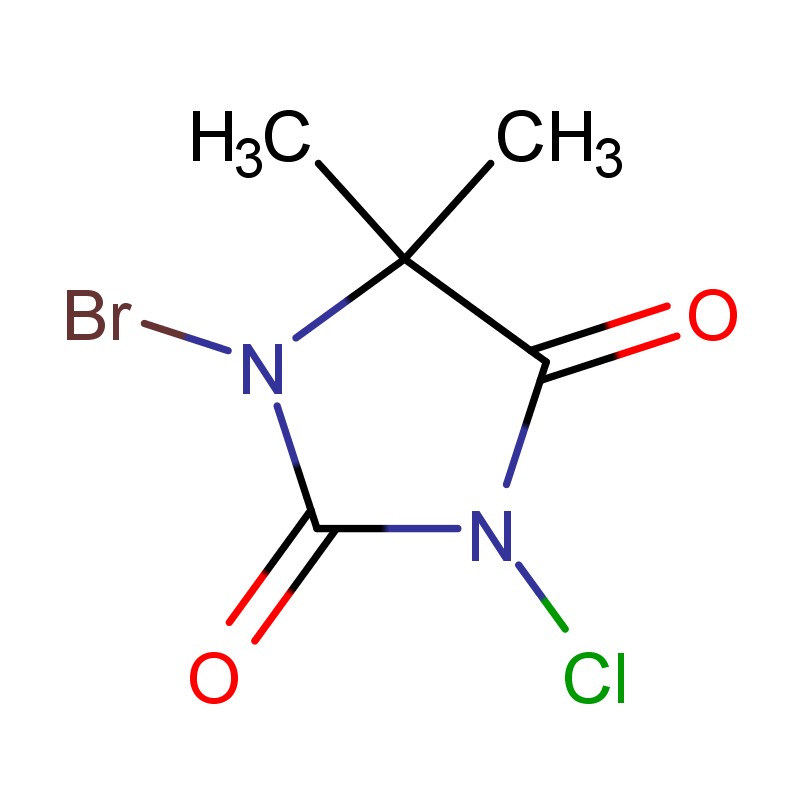
Table of Contents
- Why Microbial Control Matters in Cooling Towers
- What Is BCDMH?
- How Does BCDMH Work in Circulating Water?
- Key Benefits for Cooling Tower Water Treatment
- How BCDMH Is Applied in a Cooling Tower System
- What Should Operators Monitor?
- BCDMH Compared with Conventional Chlorine Treatment
- What Should Industrial Buyers Check Before Purchasing?
- Common Treatment Mistakes to Avoid
- A Practical BCDMH Treatment Workflow
- Frequently Asked Questions
- Talk With Leache Chem LTD.
1. Why Microbial Control Matters in Cooling Towers
A cooling tower is not simply a device for removing heat. It is also a biological environment. Warm water, continuous circulation, contact with air, suspended nutrients, and repeated concentration of dissolved materials can create favorable conditions for microbial growth.
When microbial populations are not properly controlled, operators may encounter slime, algae, biological deposits, odor, clogged distribution components, and biofilm on wetted surfaces. Biofilm is particularly difficult because microorganisms embedded in a protective matrix can be more difficult to control than freely suspended cells.
The result can be a combination of operational and maintenance problems. Deposits can interfere with water distribution and heat transfer, while microbiological growth can increase cleaning frequency and complicate water-quality management. Cooling-water treatment therefore needs to address microbial growth as part of the overall operating program rather than treating visible fouling only after it becomes severe.
Biofilm Microbial layers can attach to wetted surfaces and become more difficult to remove once established.
Algae & Slime Growth can interfere with water distribution and contribute to deposits throughout the system.
Heat Transfer Biological deposits may add thermal resistance and increase cleaning requirements.
2. What Is BCDMH?
1-Bromo-3-Chloro-5,5-DimethylHydantoin is commonly abbreviated as BCDMH and is also known as bromochlorodimethylhydantoin. It belongs to the group of halogen-releasing water treatment chemicals and provides both bromine and chlorine chemistry.
When BCDMH comes into contact with water, active halogen species are generated through hydrolysis. These oxidizing species can react with microorganisms and organic material in the water, providing a mechanism for controlling bacterial, algal, and fungal growth.
The chemistry is particularly relevant to industrial cooling water because microbial control is influenced by water temperature, pH, organic demand, circulation rate, contamination, and the condition of the existing biofilm. BCDMH should therefore be considered as one component of a controlled water-treatment program rather than a universal substitute for system monitoring.
| Parameter | Typical BCDMH Product Information | Why It Matters |
|---|---|---|
| Active ingredient | BCDMH | Provides bromine- and chlorine-based oxidizing activity after contact with water. |
| Appearance | White crystalline powder or granules | Suitable for controlled solid-product handling and feeding systems. |
| Purity | Leache Chem LTD. product data specifies 99% active ingredient purity. | Useful for buyers comparing material consistency between suppliers. |
| Operating range | Leache Chem LTD. specifies effectiveness in systems with pH 6.0–9.0. | Actual performance still depends on water chemistry and treatment conditions. |
Product specifications can vary by formulation and supplier. Buyers should always confirm the current technical specification, SDS, certificate of analysis, packaging, and applicable regulatory status for the intended market and application.
3. How Does BCDMH Work in Circulating Water?
The practical value of BCDMH comes from its ability to release active bromine and chlorine species when introduced into water. These oxidizing species attack microorganisms through chemical reactions that damage essential cellular components.
Bromine chemistry is particularly useful in cooling-water environments where pH can move toward alkaline conditions. Instead of relying on a single operating variable, the treatment response depends on the interaction between the biocide, pH, organic demand, water temperature, contact time, and microbial loading.
From Chemical Addition to Microbial Control
STEP 01 BCDMH enters the circulating water through an appropriate feeding system.
STEP 02 The compound reacts with water and generates active halogen species.
STEP 03 Oxidizing species react with susceptible microorganisms and organic contaminants.
STEP 04 Operators monitor residual oxidant and microbiological conditions and adjust treatment as required.
This controlled approach is important because simply adding more biocide is not always the correct solution. High chemical demand can result from organic contamination, poor water quality, inadequate distribution, excessive microbial loading, or other treatment imbalances. Effective cooling-water management starts with identifying the reason for poor control.
4. Key Benefits for Cooling Tower Water Treatment
Broad Microbial Control
BCDMH is used to control a broad range of microorganisms associated with industrial water systems, including bacteria, algae, and fungi. This makes it relevant to cooling towers where different microbial populations may coexist.
Useful for Recirculating Systems
Cooling towers continuously recycle water. A treatment chemical therefore needs to work within a dynamic system rather than a single-use batch. BCDMH has been used in recirculating cooling-water applications and can be incorporated into continuous or intermittent treatment programs depending on the system design and product label.
Suitable for Controlled Solid Feeding
BCDMH is available in solid forms such as granules and tablets. Solid feeding can simplify chemical storage and metering for some installations, particularly where an operator prefers a dry chemical system.
Performance Across Practical pH Conditions
Leache Chem LTD. lists a pH range of 6.0–9.0 for its BCDMH product. The actual treatment result should still be verified through site-specific water analysis because pH is only one of several variables affecting oxidizing biocide performance.
Potential Value in Biofilm Management
Cooling-water microbiology is not limited to organisms floating freely in the water. Attached growth and biofilm can become persistent sources of contamination. Published technical literature has investigated BCDMH for microbial control in cooling-water systems, including work involving biofilm-associated microorganisms.
5. How BCDMH Is Applied in a Cooling Tower System
There is no single feeding schedule that should be applied to every cooling tower. The correct treatment program depends on tower volume, circulation rate, makeup water, blowdown, water chemistry, microbial loading, equipment design, and the manufacturer's product label.
Continuous Feeding
Continuous feeding can maintain a more consistent treatment level when the system has predictable water demand and a suitable metering arrangement. This approach can be useful when the objective is to maintain ongoing microbial pressure rather than respond to periodic spikes.
Intermittent or Shock Treatment
Intermittent treatment may be considered when microbial loading varies or when the water-treatment program is designed around periodic dosing events. The frequency and duration should be established from actual system performance rather than copied from another cooling tower.
Side-Stream Feeding
Some solid BCDMH products can be introduced through dedicated feeders using a controlled side stream. The feeding equipment should be compatible with the selected product and designed to provide predictable chemical contact with the circulating water.
| Operating Factor | What Operators Should Consider |
|---|---|
| Cooling-water volume | Determine the actual system volume rather than relying only on tower basin dimensions. |
| Blowdown rate | Higher water loss can influence chemical consumption and residual stability. |
| Makeup water quality | Organic matter, ammonia, hardness, alkalinity and other constituents can affect treatment demand. |
| pH | Track actual operating pH and evaluate the product under the site's real conditions. |
| Microbial activity | Use microbiological testing and visual inspection rather than relying only on chemical residual. |
6. What Should Operators Monitor?
A biocide works best when chemical treatment and water-quality monitoring are managed together. A residual reading alone cannot fully describe the biological condition of a cooling tower.
- pH: Record trends rather than isolated measurements.
- Oxidant residual: Use an appropriate analytical method for the selected treatment program.
- Conductivity: Helps operators understand concentration cycles and blowdown performance.
- Microbiological counts: Useful for verifying whether microbial control is actually being achieved.
- Visual condition: Inspect basins, fill, distribution components and accessible surfaces for slime and algae.
- Heat-transfer performance: Monitor changes that may indicate fouling or scale formation.
- Makeup and blowdown: Changes in water balance can alter chemical demand.
If microbiological counts remain high even though an oxidant residual appears acceptable, the operator should investigate contact time, sampling location, biofilm accumulation, organic demand, distribution problems, and possible interference from other chemicals.
7. BCDMH Compared with Conventional Chlorine Treatment
Chlorine-based treatment remains widely used in industrial water management. BCDMH provides a different halogen chemistry by combining bromine and chlorine release within one compound.
| Consideration | BCDMH | Conventional Chlorine-Based Treatment |
|---|---|---|
| Active chemistry | Bromine and chlorine releasing chemistry | Primarily chlorine-based oxidizing chemistry |
| Product form | Commonly supplied as solid granules or tablets | Available in several liquid, solid, or gas-based forms depending on the product |
| Cooling tower use | Used for microbial control in recirculating cooling-water systems | Widely used for industrial microbial control |
| pH considerations | Can be useful in systems operating across a practical alkaline range | Effectiveness is strongly influenced by pH and chlorine speciation |
| Handling | Dry-product handling can be convenient for certain installations | Handling requirements depend strongly on the chlorine product selected |
The comparison should not be reduced to a simple “better or worse” decision. Cooling-water chemistry, system design, regulatory requirements, chemical storage arrangements, discharge conditions, and microbiological objectives should all be evaluated before selecting a treatment strategy.
8. What Should Industrial Buyers Check Before Purchasing?
For industrial buyers, product quality is only one part of procurement. Consistency, documentation, packaging, delivery capability, and technical support can have an equally important effect on the success of a water-treatment program.
1. Confirm the Chemical Identity
Verify that the material supplied is actually 1-Bromo-3-Chloro-5,5-DimethylHydantoin and request the relevant CAS number, product specification, and SDS.
2. Review Purity and Batch Documentation
Ask for a current Certificate of Analysis for the batch being supplied. Purity, appearance, moisture and other relevant parameters should match the agreed specification.
3. Check the Physical Form
Determine whether your feeding equipment requires powder, granules, tablets, or another form. Particle size and dissolution behavior can affect how a solid chemical performs inside a feeder.
4. Confirm Packaging Requirements
Industrial shipments may require different packaging sizes depending on warehouse capacity, transport method, chemical handling procedures, and expected consumption.
5. Ask About Technical Support
A reliable supplier should be able to provide product documentation and help the buyer understand specification limits, storage conditions, handling precautions, and application considerations.
6. Check Regulatory Requirements
Regulatory requirements for biocides vary between countries and applications. Buyers should verify whether the selected product is authorized or registered for the intended use in the destination market rather than assuming that approval in one country applies everywhere.
9. Common Treatment Mistakes to Avoid
Using a Fixed Dosage Without Monitoring
A dosage that works in one cooling tower may not work in another. Changes in makeup water, organic loading, temperature, blowdown, and microbial activity can significantly change chemical demand.
Checking Only the Water Appearance
Clear-looking water does not necessarily mean that the system is microbiologically controlled. Microbial testing and inspection of surfaces provide additional information.
Ignoring Biofilm
Persistent biological growth may indicate established biofilm rather than insufficient bulk-water treatment alone. A complete maintenance program may require cleaning, mechanical removal, improved water distribution, and a revised biocide strategy.
Overlooking Chemical Compatibility
Cooling-water programs often contain several treatment chemicals. Operators should evaluate compatibility and interactions rather than adding products independently.
Ignoring Storage and Handling Requirements
BCDMH is a reactive oxidizing chemical and should be stored and handled according to the current SDS and applicable regulations. Keep the product protected from incompatible materials, moisture, contamination, heat, and unauthorized access.
10. A Practical BCDMH Treatment Workflow
For an industrial cooling tower, a structured approach is more useful than simply increasing the amount of chemical added to the system.
- Establish the baseline. Record system volume, circulation conditions, pH, conductivity, makeup-water characteristics, blowdown, temperature and existing microbiological results.
- Identify the biological problem. Determine whether the primary concern is planktonic bacteria, algae, slime, biofilm or a combination of microbial problems.
- Select the appropriate BCDMH form. Match the product form with the feeding equipment, chemical storage system and required operating method.
- Develop a controlled feeding program. Follow the supplier's label and technical recommendations while considering the actual cooling-water conditions.
- Measure the treatment response. Track oxidant residual, pH, microbiological indicators and system condition.
- Adjust based on data. If control is inadequate, investigate the underlying cause before simply increasing chemical consumption.
- Maintain the complete water-treatment program. Microbial control should be coordinated with scale control, corrosion control, filtration, blowdown management and mechanical cleaning where applicable.
Important Operating Principle
The objective is not to use the maximum amount of biocide. The objective is to maintain effective microbial control with a treatment program that is measurable, consistent, compatible with the cooling system, and appropriate for the applicable regulatory requirements.
11. Frequently Asked Questions
What is 1-Bromo-3-Chloro-5,5-DimethylHydantoin used for?
It is a halogen-releasing biocide used in water treatment applications, including industrial cooling-water systems, for controlling microorganisms such as bacteria, algae and fungi.
Why is BCDMH suitable for cooling tower circulating water?
BCDMH releases active bromine- and chlorine-based oxidizing species in water. This makes it suitable for microbial control in recirculating systems where biological growth can contribute to slime, biofilm and fouling.
Can BCDMH be used in high-pH cooling water?
BCDMH can be used across a practical pH range, and Leache Chem LTD. specifies a pH range of 6.0–9.0 for its product. Actual performance should be confirmed under the specific site's water chemistry and operating conditions.
Does BCDMH control biofilm?
BCDMH has been investigated and used for microbial control involving both suspended and attached microbial populations. However, heavily established biofilm may require a broader remediation program that includes physical cleaning and correction of the conditions supporting biological growth.
Is BCDMH supplied as a liquid?
BCDMH is commonly supplied in solid forms such as powder, granules or tablets. The appropriate physical form depends on the application and feeding equipment.
How much BCDMH should be added to a cooling tower?
There is no universal dosage suitable for every system. The treatment level should be determined from the product label, cooling-water volume, water chemistry, microbial loading, blowdown, contact conditions and measured treatment response.
What documents should I request when buying BCDMH?
Industrial buyers should normally request the product specification, Certificate of Analysis, Safety Data Sheet, packaging information and relevant regulatory or registration documentation for the destination market and intended application.
Can BCDMH be used together with other cooling-water chemicals?
It may be incorporated into a broader water-treatment program, but compatibility must be evaluated for the specific formulation and operating conditions. Chemicals should not be mixed or combined without confirming compatibility and following the applicable product instructions.
What makes a BCDMH supplier suitable for industrial purchasing?
Buyers should look beyond the quoted price and evaluate active-ingredient consistency, batch documentation, packaging, supply capacity, delivery reliability, technical documentation, regulatory support and communication throughout the purchasing process.
Need a Reliable BCDMH Supplier for Cooling Water Treatment?
Choosing the right chemical is only the first step. For industrial cooling towers, consistent product quality, suitable physical form, reliable documentation and stable supply are equally important to long-term treatment performance.
Leache Chem LTD. supplies 1-Bromo-3-Chloro-5,5-DimethylHydantoin for industrial water-treatment applications and provides product specifications and technical information for international buyers. If you are sourcing BCDMH for cooling tower circulating water treatment, bulk procurement, water-treatment formulation or distribution, you can contact the team to discuss your required purity, product form, packaging and quantity.
Contact Us