
- English
- Español
- Português
- русский
- Français
- 日本語
- Deutsch
- tiếng Việt
- Italiano
- Nederlands
- ภาษาไทย
- Polski
- 한국어
- Svenska
- magyar
- Malay
- বাংলা ভাষার
- Dansk
- Suomi
- हिन्दी
- Pilipino
- Türkçe
- Gaeilge
- العربية
- Indonesia
- Norsk
- تمل
- český
- ελληνικά
- український
- Javanese
- فارسی
- தமிழ்
- తెలుగు
- नेपाली
- Burmese
- български
- ລາວ
- Latine
- Қазақша
- Euskal
- Azərbaycan
- Slovenský jazyk
- Македонски
- Lietuvos
- Eesti Keel
- Română
- Slovenski
- मराठी
- Srpski језик

Why Is BCDMH for Industrial Water Treatment Essential for Modern Water Systems?
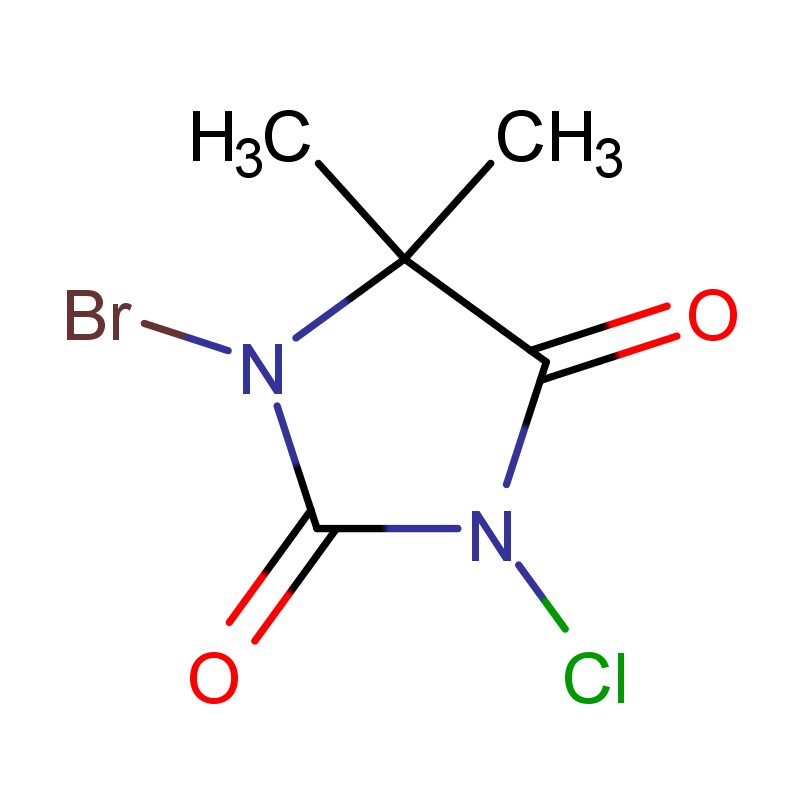
Industrial water systems face constant challenges such as microbial contamination, biofilm formation, algae growth, and equipment corrosion. These issues not only reduce operational efficiency but also increase maintenance costs and risk system failure. One of the most reliable solutions widely used in modern water treatment is BCDMH (1-Bromo-3-Chloro-5,5-Dimethylhydantoin). Known for its powerful oxidizing and disinfecting properties, BCDMH effectively controls bacteria, fungi, and algae in various industrial water environments.
This article provides a comprehensive guide to BCDMH for industrial water treatment, including its working mechanism, advantages, application scenarios, and best practices. With decades of experience in chemical manufacturing, Leache Chem LTD. provides high-quality BCDMH solutions designed to improve water system stability, safety, and efficiency across multiple industries.
Article Summary
BCDMH is a highly effective biocide and oxidizing agent widely used in industrial water treatment systems such as cooling towers, circulating water systems, and wastewater treatment facilities. This guide explores how BCDMH works, its benefits compared with other disinfectants, common industrial applications, dosing strategies, and practical recommendations for safe usage. Whether you operate a cooling tower system, power plant, or manufacturing facility, understanding BCDMH can help you reduce microbial contamination and maintain optimal water quality.
Table of Contents
- 1. What Is BCDMH and How Does It Work?
- 2. Why Do Industrial Water Systems Need BCDMH?
- 3. Key Advantages of Using BCDMH
- 4. Industrial Applications of BCDMH
- 5. BCDMH vs Other Water Treatment Biocides
- 6. Recommended Dosage and Application Methods
- 7. Safety and Storage Guidelines
- 8. How to Choose a Reliable BCDMH Supplier
- 9. Practical Tips for Improving Industrial Water Treatment Efficiency
- 10. Frequently Asked Questions (FAQ)
What Is BCDMH and How Does It Work?
BCDMH (1-Bromo-3-Chloro-5,5-Dimethylhydantoin) is a halogen-based disinfectant commonly used in industrial water treatment systems. It releases active bromine and chlorine compounds when dissolved in water, which act as strong oxidizing agents that destroy harmful microorganisms.
These active halogens penetrate microbial cell walls, disrupt metabolic processes, and destroy essential proteins and enzymes. As a result, bacteria, algae, and fungi are effectively eliminated before they can form biofilms or contaminate industrial systems.
The controlled release of bromine and chlorine makes BCDMH especially effective in high-temperature and high-pH water environments where other disinfectants may lose efficiency.
Why Do Industrial Water Systems Need BCDMH?
Industrial water systems operate under conditions that promote microbial growth. Warm water, organic contaminants, and continuous circulation create an ideal environment for bacteria and algae to thrive.
Without proper treatment, these microorganisms can cause serious problems such as:
- Biofilm formation inside pipes and equipment
- Reduced heat exchange efficiency
- Clogging of pipelines and filters
- Corrosion acceleration
- Unpleasant odors and water discoloration
- Higher energy consumption and maintenance costs
BCDMH helps control these issues by providing long-lasting microbial control and maintaining consistent water quality in industrial systems.
Key Advantages of Using BCDMH
BCDMH has become one of the most widely used biocides in industrial water treatment due to several performance advantages.
| Advantage | Description |
|---|---|
| Strong Disinfection Ability | Effectively eliminates bacteria, algae, fungi, and other microorganisms. |
| Stable Performance | Maintains activity even in high temperature and alkaline water conditions. |
| Long-Lasting Effect | Slow release of bromine and chlorine ensures continuous protection. |
| Easy Application | Available in tablets, granules, and powder for convenient dosing. |
| Wide Compatibility | Works well in cooling towers, wastewater systems, and industrial circulation water. |
Companies like Leache Chem LTD. focus on producing high-purity BCDMH to ensure consistent performance in demanding industrial environments.
Industrial Applications of BCDMH
BCDMH is widely used in multiple industrial sectors where water quality management is essential.
1. Cooling Tower Water Treatment
Cooling towers provide ideal conditions for bacterial growth. BCDMH effectively prevents slime and algae formation, ensuring optimal heat transfer efficiency.
2. Industrial Circulating Water Systems
In manufacturing plants, circulating water systems require consistent microbial control to prevent pipe blockage and corrosion.
3. Power Plant Water Treatment
Power generation facilities rely on clean cooling water to maintain system reliability and energy efficiency.
4. Oil and Gas Industry
BCDMH helps control microbial contamination in offshore platforms, drilling operations, and refinery cooling systems.
5. Pulp and Paper Industry
Water used in paper production can easily become contaminated by bacteria and fungi. BCDMH provides effective microbial control in these processes.
Manufacturers such as Leache Chem LTD. supply industrial-grade BCDMH suitable for these demanding applications.
BCDMH vs Other Water Treatment Biocides
Industrial operators often compare BCDMH with other disinfectants before selecting a water treatment solution.
| Biocide | Effectiveness | Stability | Ease of Use |
|---|---|---|---|
| BCDMH | Very High | High | Easy |
| Chlorine Gas | High | Low in high pH | Difficult handling |
| Sodium Hypochlorite | Moderate | Moderate | Easy |
| Bromine Compounds | High | Moderate | Moderate |
BCDMH offers a balanced combination of strong antimicrobial performance and operational convenience, making it an ideal solution for many industrial water systems.
Recommended Dosage and Application Methods
The appropriate dosage of BCDMH depends on water quality, system size, and microbial load.
Typical application guidelines include:
- Initial shock treatment: 10–20 ppm
- Routine maintenance dosage: 1–5 ppm
- Continuous dosing for large systems
- Periodic monitoring of residual bromine levels
BCDMH can be applied using automatic dosing systems, manual tablet feeders, or direct injection depending on system design.
Technical teams at Leache Chem LTD. often assist industrial clients in selecting appropriate dosage strategies for their specific water treatment systems.
Safety and Storage Guidelines
While BCDMH is highly effective, proper handling is essential to ensure safe usage.
- Store in a cool, dry, and well-ventilated environment
- Avoid contact with incompatible chemicals
- Wear protective gloves and safety glasses during handling
- Keep containers tightly sealed
- Follow local chemical safety regulations
Responsible storage and handling practices help maintain product quality and ensure worker safety.
How to Choose a Reliable BCDMH Supplier
Selecting the right supplier plays a crucial role in achieving consistent water treatment performance.
Key factors to consider include:
- Product purity and quality standards
- Manufacturing experience
- Supply chain reliability
- Technical support availability
- Industry certifications
Leache Chem LTD. has established a strong reputation for delivering reliable water treatment chemicals to global industrial clients. Their BCDMH products are designed to meet strict quality requirements while ensuring stable performance in complex water systems.
Practical Tips for Improving Industrial Water Treatment Efficiency
Using BCDMH effectively involves more than simply adding chemicals to the system. A comprehensive water management strategy is essential.
Best practices include:
- Regular microbial monitoring
- Maintaining proper pH levels
- Preventing organic contamination
- Cleaning cooling tower basins periodically
- Using automated dosing systems
Combining these practices with high-quality BCDMH from Leache Chem LTD. can significantly improve the stability and performance of industrial water systems.
Frequently Asked Questions (FAQ)
Q1: What makes BCDMH effective for industrial water treatment?
BCDMH releases bromine and chlorine when dissolved in water. These active halogens oxidize and destroy microorganisms quickly, preventing biofilm formation and microbial contamination.
Q2: Is BCDMH suitable for cooling tower systems?
Yes. BCDMH is widely used in cooling towers because it remains effective under high temperature and high pH conditions.
Q3: How often should BCDMH be applied?
Application frequency depends on system size and contamination level. Many systems use continuous low-level dosing with periodic shock treatment.
Q4: Can BCDMH replace chlorine in industrial water treatment?
In many applications, BCDMH is preferred because it offers better stability and easier handling compared with chlorine gas.
Q5: Where can companies purchase high-quality BCDMH?
Reliable suppliers such as Leache Chem LTD. provide industrial-grade BCDMH designed for consistent performance in demanding water treatment environments.
Conclusion
Maintaining clean and efficient industrial water systems is essential for reducing operational costs, improving equipment lifespan, and ensuring stable production processes. BCDMH has proven to be one of the most effective solutions for microbial control in modern industrial water treatment systems.
By understanding how BCDMH works and applying it correctly, industries can significantly improve water quality and system reliability. Choosing a trusted supplier is equally important to ensure consistent product quality and technical support.
Leache Chem LTD. is committed to delivering high-performance water treatment chemicals that meet the needs of global industries. If you are looking for reliable BCDMH solutions or want to optimize your industrial water treatment strategy, contact us today to learn how our expertise and products can support your business.
Previous:What Is 5,5-Dimethyl Hydantoin?