
- English
- Español
- Português
- русский
- Français
- 日本語
- Deutsch
- tiếng Việt
- Italiano
- Nederlands
- ภาษาไทย
- Polski
- 한국어
- Svenska
- magyar
- Malay
- বাংলা ভাষার
- Dansk
- Suomi
- हिन्दी
- Pilipino
- Türkçe
- Gaeilge
- العربية
- Indonesia
- Norsk
- تمل
- český
- ελληνικά
- український
- Javanese
- فارسی
- தமிழ்
- తెలుగు
- नेपाली
- Burmese
- български
- ລາວ
- Latine
- Қазақша
- Euskal
- Azərbaycan
- Slovenský jazyk
- Македонски
- Lietuvos
- Eesti Keel
- Română
- Slovenski
- मराठी
- Srpski језик

What Is 5,5-Dimethyl Hydantoin?
5,5-Dimethyl Hydantoin (often abbreviated as DMH) is a fine chemical intermediate widely used in pharmaceuticals, water treatment, antimicrobial products, and chemical synthesis. In this article, we explore what makes this compound valuable, how it’s used in industry, its pros and cons, and the safety factors professionals should consider — with references to quality supply from companies like Leache Chem LTD.
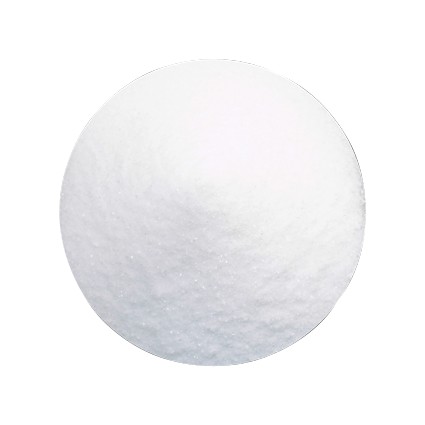
Table of Contents
What Is 5,5-Dimethyl Hydantoin?
5,5-Dimethyl Hydantoin is an organic compound with the chemical formula C5H8N2O2. It appears as a white crystalline powder and belongs to the hydantoin family of heterocyclic compounds. It acts as a key chemical intermediate in many industrial processes.
Why Do Industries Use 5,5-Dimethyl Hydantoin?
Industries rely on 5,5-Dimethyl Hydantoin for its versatility and functional properties that support:
- Synthesis of specialty chemicals and pharmaceutical intermediates
- Water treatment and antimicrobial systems
- Polymer chemistry and resin production
- Intermediate for halogenated hydantoin compounds
What Are the Key Benefits of 5,5-Dimethyl Hydantoin?
| Advantage | Explanation |
|---|---|
| High Purity | DMH is available in high purity (often ≥99%), making it reliable for sensitive chemical synthesis. |
| Versatility | Used across sectors — from water treatment to pharmaceuticals and chemical intermediates. |
| Antimicrobial Properties | DMH derivatives support slow release of biocidal agents, aiding disinfection and sanitization. |
| Stable Chemical Structure | Its stable ring structure allows use in polymer and resin applications. |
What Are the Drawbacks of Using 5,5-Dimethyl Hydantoin?
- Potential Toxicity During Handling: As with many fine chemicals, improper handling without PPE could lead to irritation.
- Needs Specialized Knowledge: Its use in advanced applications requires chemical expertise.
- Not Always Suitable for Consumer Products: DMH itself isn’t typically used directly in cosmetics without modification; derivatives like DMDM hydantoin are more often used (which release formaldehyde and can be controversial in personal care).
How Is 5,5-Dimethyl Hydantoin Used in Real-World Applications?
As a Pharmaceutical Intermediate
DMH serves as a building block for synthesizing drugs and other biologically active molecules.
In Water Treatment & Disinfection
DMH can be converted into halogenated hydantoins (such as 1,3-dichloro or dibromo derivatives) that slowly release disinfecting agents in water systems.
In Polymer & Resin Production
DMH contributes to resin and polymer chemistries, including epoxy resins and other functional polymers.
Frequently Asked Questions
What is 5,5-Dimethyl Hydantoin used for?
5,5-Dimethyl Hydantoin is used as a fine chemical intermediate, contributing to the synthesis of pharmaceuticals, antimicrobial agents, resins, and water treatment compounds.
Is 5,5-Dimethyl Hydantoin safe?
DMH is considered stable and manageable when handled properly with industrial safety protocols, but safety data sheets recommend precautions (like gloves and eye protection) during handling.
Can 5,5-Dimethyl Hydantoin be used directly in consumer products?
Typically, DMH itself is an intermediate; consumer applications often use derivatives (e.g., halogenated hydantoins) rather than pure DMH.
How does DMH compare to other hydantoin derivatives?
Different hydantoin derivatives have varied properties — for example, chlorinated or brominated versions act as disinfection agents, while DMH remains a base intermediate for synthesis.
Why do manufacturers like Leache Chem LTD. produce DMH?
Manufacturers such as Leache Chem LTD. produce DMH due to its broad industrial demand, high purity potential, and adaptability across multiple sectors.