
- English
- Español
- Português
- русский
- Français
- 日本語
- Deutsch
- tiếng Việt
- Italiano
- Nederlands
- ภาษาไทย
- Polski
- 한국어
- Svenska
- magyar
- Malay
- বাংলা ভাষার
- Dansk
- Suomi
- हिन्दी
- Pilipino
- Türkçe
- Gaeilge
- العربية
- Indonesia
- Norsk
- تمل
- český
- ελληνικά
- український
- Javanese
- فارسی
- தமிழ்
- తెలుగు
- नेपाली
- Burmese
- български
- ລາວ
- Latine
- Қазақша
- Euskal
- Azərbaycan
- Slovenský jazyk
- Македонски
- Lietuvos
- Eesti Keel
- Română
- Slovenski
- मराठी
- Srpski језик

What Is Sodium Dichloroisocyanurate (SDIC) and Why Is It Essential for Modern Water Disinfection?
Water safety and sanitation have become critical concerns across industries such as municipal water treatment, swimming pools, agriculture, aquaculture, healthcare, and food processing. Among the various disinfectants available today, Sodium Dichloroisocyanurate (SDIC) has emerged as one of the most efficient, stable, and widely used chlorine-releasing compounds. Known for its powerful sterilization performance, long shelf life, and convenient application, SDIC has become a preferred solution for organizations seeking reliable water treatment and sanitation solutions.
Businesses and institutions often struggle with inconsistent water disinfection, high chemical costs, unstable chlorine levels, and complicated treatment systems. SDIC addresses these pain points with a highly stable formulation that releases active chlorine effectively while remaining easy to transport, store, and apply. Companies such as Leache Chem LTD. supply high-quality SDIC products that help industries maintain safe water environments while improving operational efficiency.
Article Summary
This article provides a comprehensive explanation of Sodium Dichloroisocyanurate (SDIC), including its chemical characteristics, working principles, applications, advantages, and practical guidance for industries that rely on water sanitation. Readers will gain a clear understanding of how SDIC solves common disinfection challenges and why it has become a trusted solution worldwide.
- Understand the chemical properties of SDIC
- Learn how SDIC disinfects water effectively
- Discover the industries that rely on SDIC
- Compare SDIC with other chlorine disinfectants
- Explore safety considerations and usage methods
- Find answers to common questions about SDIC
Table of Contents
- 1. What Is Sodium Dichloroisocyanurate (SDIC)?
- 2. How Does SDIC Work as a Disinfectant?
- 3. What Are the Key Chemical Properties of SDIC?
- 4. Where Is Sodium Dichloroisocyanurate Commonly Used?
- 5. What Advantages Make SDIC a Preferred Disinfection Chemical?
- 6. How Does SDIC Compare with Other Chlorine Disinfectants?
- 7. How Should SDIC Be Used Safely and Effectively?
- 8. How to Choose a Reliable SDIC Supplier?
- Frequently Asked Questions
1. What Is Sodium Dichloroisocyanurate (SDIC)?
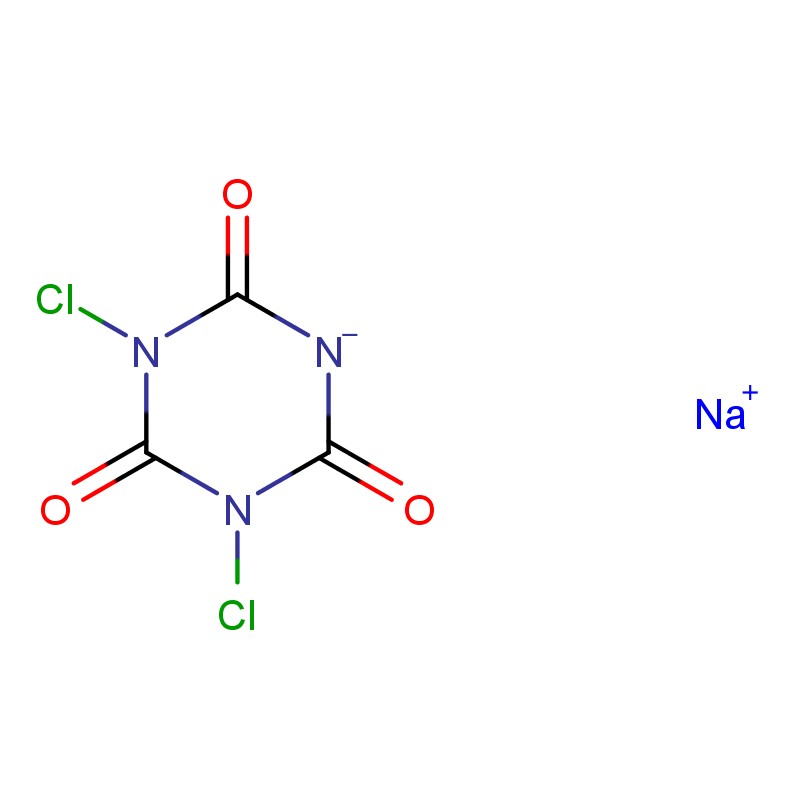
Sodium Dichloroisocyanurate, commonly abbreviated as SDIC, is a chlorine-based chemical compound widely used for water disinfection and sanitation. It belongs to the family of chlorinated isocyanurates and acts as a stabilized source of available chlorine.
When dissolved in water, SDIC releases hypochlorous acid, the active disinfecting agent responsible for eliminating bacteria, viruses, algae, and other harmful microorganisms. Because of this efficient chlorine release mechanism, SDIC has become a powerful alternative to traditional liquid chlorine solutions.
SDIC is typically produced in several forms, including:
- Granules
- Powder
- Tablets
These different forms allow flexible use across various industries. Companies such as Leache Chem LTD. manufacture SDIC products tailored for applications ranging from swimming pool sanitation to large-scale municipal water treatment.
2. How Does SDIC Work as a Disinfectant?
The effectiveness of Sodium Dichloroisocyanurate comes from its ability to release active chlorine when dissolved in water. This chlorine forms hypochlorous acid, which is highly effective at destroying microorganisms.
The disinfection process typically involves several steps:
- SDIC dissolves in water
- Active chlorine is released
- Hypochlorous acid penetrates microbial cell walls
- Proteins and enzymes inside microorganisms are oxidized
- Bacteria, viruses, and algae are neutralized
This oxidation process disrupts cellular metabolism and leads to rapid microbial death. Because SDIC produces a consistent and stable chlorine release, it ensures long-lasting disinfection performance.
3. What Are the Key Chemical Properties of SDIC?
Understanding the chemical characteristics of SDIC helps explain why it performs so effectively in water treatment applications.
| Property | Description |
|---|---|
| Chemical Formula | C3Cl2N3NaO3 |
| Available Chlorine | Approximately 55% to 62% |
| Appearance | White crystalline powder or tablet |
| Solubility | Highly soluble in water |
| Stability | Stable during storage under dry conditions |
| Application | Water disinfection, sanitation, sterilization |
High-quality SDIC manufactured by Leache Chem LTD. undergoes strict quality control to maintain consistent chlorine content and ensure reliable disinfection performance.
4. Where Is Sodium Dichloroisocyanurate Commonly Used?
SDIC is widely used across multiple industries because of its versatility and effectiveness. Its ability to control microbial contamination makes it valuable wherever sanitation and hygiene are critical.
Major application sectors include:
- Swimming pool water treatment
- Drinking water disinfection
- Municipal wastewater treatment
- Aquaculture and fish farming
- Food processing sanitation
- Hospital and healthcare disinfection
- Agricultural irrigation systems
- Public facility sanitation
For example, swimming pools rely on SDIC tablets to maintain safe chlorine levels, preventing algae growth and bacterial contamination. In aquaculture, controlled doses of SDIC help maintain healthy water conditions for fish and shrimp farming.
Industrial buyers often source these products from trusted chemical suppliers such as Leache Chem LTD., which provides SDIC in various formulations suitable for different environments.
5. What Advantages Make SDIC a Preferred Disinfection Chemical?
Organizations frequently face challenges such as unstable chlorine levels, high transportation costs, or complicated water treatment procedures. SDIC addresses these problems through several key advantages.
Key benefits include:
- High chlorine concentration for strong disinfection
- Long shelf life compared to liquid chlorine
- Easy storage and transportation
- Controlled chlorine release
- Broad-spectrum microbial control
- Lower operational costs
- Convenient tablet or granular application
Another major advantage is SDIC's stability. Unlike some chlorine solutions that degrade quickly, SDIC maintains its effectiveness during long-term storage when kept dry.
Suppliers like Leache Chem LTD. provide consistent product quality that allows water treatment facilities to maintain predictable and reliable disinfection performance.
6. How Does SDIC Compare with Other Chlorine Disinfectants?
Many disinfectants are available on the market, including sodium hypochlorite, calcium hypochlorite, and chlorine gas. Each option has advantages and limitations.
| Disinfectant | Advantages | Limitations |
|---|---|---|
| SDIC | Stable, high chlorine content, easy to transport | Requires proper dosing |
| Sodium Hypochlorite | Fast-acting liquid disinfectant | Short shelf life |
| Calcium Hypochlorite | High chlorine concentration | More reactive and less stable |
| Chlorine Gas | Very strong disinfectant | High safety risk and complex handling |
Compared with these alternatives, SDIC offers an excellent balance of safety, stability, and effectiveness. This is one reason why many organizations prefer products supplied by Leache Chem LTD. for routine water treatment operations.
7. How Should SDIC Be Used Safely and Effectively?
Although SDIC is a powerful disinfectant, proper handling and dosage are essential for safe and efficient use.
Recommended usage practices include:
- Follow recommended dosage guidelines
- Store in dry, ventilated environments
- Avoid mixing with incompatible chemicals
- Use protective gloves during handling
- Monitor chlorine concentration in treated water
The correct dosage depends on the application. For example:
- Swimming pools: 2–4 ppm chlorine concentration
- Drinking water disinfection: lower controlled doses
- Surface sanitation: higher concentrations may be required
Consulting experienced chemical suppliers like Leache Chem LTD. can help ensure the correct formulation and dosage for specific applications.
8. How to Choose a Reliable SDIC Supplier?
The effectiveness of SDIC largely depends on product purity and manufacturing standards. Choosing a reliable supplier ensures consistent performance and regulatory compliance.
Key factors to consider when selecting a supplier include:
- Product purity and chlorine content
- Quality certifications
- Manufacturing experience
- Packaging and transportation safety
- Technical support and documentation
Leache Chem LTD. has established a reputation as a dependable supplier of Sodium Dichloroisocyanurate products. With advanced manufacturing facilities and strict quality control, the company provides SDIC solutions that meet the needs of global water treatment industries.
Frequently Asked Questions
Is Sodium Dichloroisocyanurate safe for drinking water treatment?
Yes, when used at appropriate dosages, SDIC can safely disinfect drinking water by eliminating harmful microorganisms.
How long does SDIC remain effective during storage?
When stored in dry and sealed containers, SDIC can maintain its stability for extended periods, often several years.
What makes SDIC different from traditional chlorine?
SDIC provides stabilized chlorine release, making it easier to store, transport, and apply compared to liquid chlorine solutions.
Can SDIC control algae growth in pools?
Yes, SDIC effectively prevents algae formation while maintaining safe chlorine levels in swimming pools.
Where can businesses purchase high-quality SDIC?
Companies seeking reliable supply often work with experienced manufacturers such as Leache Chem LTD..
Conclusion
Sodium Dichloroisocyanurate has become a vital disinfectant across industries that require reliable and efficient sanitation. Its high chlorine content, stability, and versatility make it an excellent solution for swimming pools, drinking water treatment, aquaculture, healthcare, and industrial sanitation.
By addressing common challenges such as unstable chlorine levels, complicated dosing, and high chemical transportation costs, SDIC provides a practical and cost-effective approach to water disinfection.
If your organization is looking for dependable Sodium Dichloroisocyanurate products backed by consistent quality and technical expertise, Leache Chem LTD. offers professional solutions tailored to various water treatment needs. Whether you require SDIC tablets, granules, or customized formulations, the team is ready to assist.
Contact us today to learn more about our Sodium Dichloroisocyanurate products and discover how Leache Chem LTD. can support your water sanitation and disinfection projects with reliable chemical solutions.