

Abstract
Sourcing Thiophene Pharmaceutical Intermediates sounds simple until a single variable—an impurity spike, a missing method, a packaging failure, or a surprise change in raw materials—pushes your timeline back by weeks. This article breaks down the practical issues buyers face (batch consistency, regulatory readiness, lead time volatility, and supplier transparency) and gives a field-tested checklist for qualifying thiophene intermediates. You’ll also see what “good” looks like in specs, CoAs, and logistics, plus a clear RFQ template you can copy. If you need a reliable supply partner, Leache Chem LTD. is included as a reference point for how a specialized manufacturer can support scale-up and global shipments—without turning your intermediate into a recurring fire drill.
Table of Contents
- Outline
- What Thiophene Pharmaceutical Intermediates Are
- Buyer Pain Points That Cause Delays
- Quality Attributes That Actually Matter
- Documentation and Compliance Readiness
- Packaging and Logistics That Reduce Risk
- Supplier Qualification Checklist
- RFQ Template for Faster Quoting
- How Leache Chem LTD. Can Support Buyers
- FAQ
Outline
- Define Thiophene Pharmaceutical Intermediates and why they’re used.
- Identify the procurement and process risks that trigger rework and delays.
- Translate “quality” into concrete specs, impurity controls, and release tests.
- Specify the documents QA and regulatory teams typically request.
- De-risk logistics with packaging, labeling, and shipment transparency.
- Use a practical supplier checklist and a copy-paste RFQ template.
- Close with a collaboration model buyers can use with Leache Chem LTD.
What Thiophene Pharmaceutical Intermediates Are
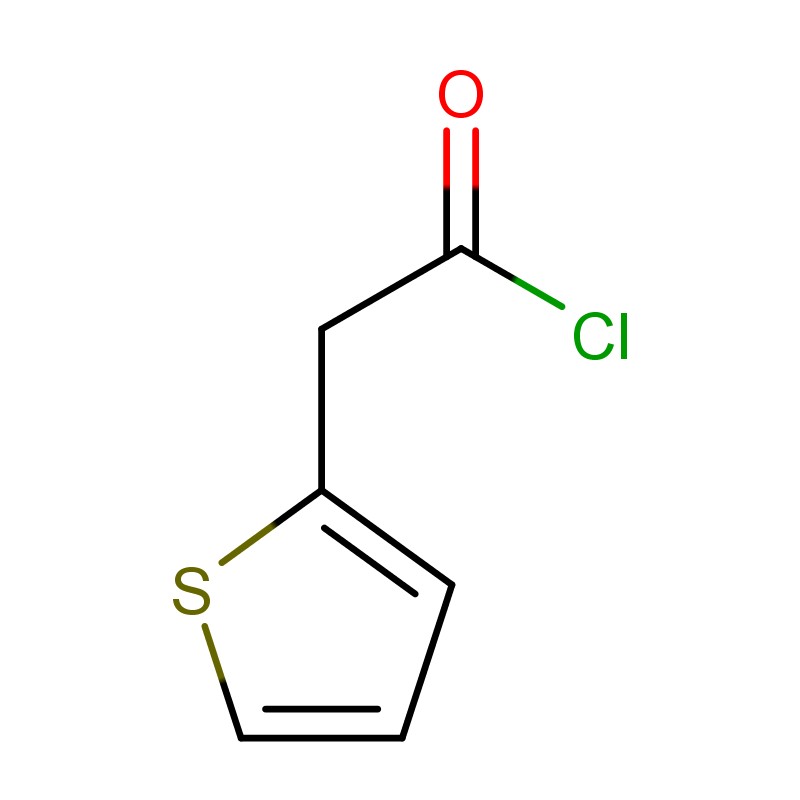
Thiophene Pharmaceutical Intermediates are thiophene-ring building blocks used to assemble active pharmaceutical ingredients (APIs) and advanced intermediates. The thiophene ring is popular because it can tune molecular properties—like polarity, binding behavior, and stability—without forcing a total redesign of the drug candidate.
In real-world sourcing, “thiophene intermediates” usually means substituted thiophenes you can reliably reproduce at scale—often halogenated, acylated, aldehyde/alcohol derivatives, or side-chain functionalized variants. Examples buyers commonly evaluate include items such as 2-thiophene aldehyde, 2-thiophene ethanol, and halogenated thiophenes (when your synthesis needs a predictable coupling handle).
Key takeaway: Your intermediate isn’t “just a reagent.” It’s an input that can trigger deviations, batch investigations, or regulatory questions—so you should buy it like a critical material, not a commodity.
Buyer Pain Points That Cause Delays
If your project keeps slipping, it’s rarely because the chemistry is “hard.” It’s usually because supply is unpredictable or the material quality is not consistently documented. Here are the pain points that show up repeatedly when teams source Thiophene Pharmaceutical Intermediates.
- Batch-to-batch variability: A small shift in impurity profile can change reaction rate, color, workup behavior, or downstream purification load.
- Hidden impurities that are “low” but impactful: Trace aldehydes, sulfur-containing byproducts, or residual solvents can create persistent odor/color issues and fail downstream specs.
- Documentation gaps: Missing CoA details, unclear test methods, or inconsistent spec limits can block QA release or trigger supplier re-qualification.
- Surprise changes: New raw material sources, process adjustments, or packaging substitutions without change control can invalidate prior qualification.
- Logistics and packaging failures: Moisture ingress, oxidation, or label mismatch sounds minor—until your material is quarantined on arrival.
- Lead time volatility: When a supplier lacks stable capacity, every “urgent” order becomes an expensive escalation.
The fix is not “ask for a lower price.” The fix is to buy predictability: stable specs, transparent methods, controlled packaging, and a supplier who communicates like your timeline matters.
Quality Attributes That Actually Matter
When buyers say “high purity,” they often mean “my synthesis behaves the same every time.” That requires more than one purity number. A robust release package for Thiophene Pharmaceutical Intermediates usually considers:
| Attribute | Why it matters in production | What to ask your supplier |
|---|---|---|
| Assay / Purity | Baseline control for yield and reproducibility | Method used (GC/HPLC), system suitability, typical range |
| Impurity profile | Small peaks can become big downstream problems | Known impurities list, limits, and chromatogram availability |
| Water content | Moisture can reduce reactivity and increase byproducts | KF result, packaging method, storage recommendations |
| Residual solvents | May trigger QA holds and reprocessing | Solvent list used in process and residual limits |
| Identity confirmation | Avoids “wrong isomer / wrong material” disasters | IR/NMR (as applicable), reference standard approach |
| Stability and storage | Protects against oxidation, discoloration, decomposition | Recommended conditions, shelf-life basis, re-test policy |
The fastest way to cut risk is to align your spec with your process reality. If your next step is moisture-sensitive, set a moisture limit that reflects that sensitivity—don’t rely on “typical” values.
Documentation and Compliance Readiness
A clean technical package is a competitive advantage. If your supplier can’t provide documents quickly, your “fast” project becomes a slow one. For Thiophene Pharmaceutical Intermediates, many QA teams expect some combination of:
Core documents for qualification
- Specification sheet with test items and acceptance criteria
- Certificate of Analysis (CoA) for each batch
- SDS (Safety Data Sheet) and transport classification where applicable
- Typical chromatograms (when relevant to impurity risk)
- Statement of change control or notification policy
Helpful add-ons that save time later
- Method summaries (GC/HPLC conditions, detectors, columns)
- Stability statement and recommended storage
- Regulatory support files when required by your market
- Packaging description (materials, sealing, inner liners)
If you’re supplying into regulated workflows, always coordinate requirements with your QA and regulatory teams. The goal is not “more paperwork”—it’s faster release, fewer questions, and fewer surprises.
Packaging and Logistics That Reduce Risk
Many thiophene derivatives are sensitive to moisture, light, or oxidation. Even when the chemistry is perfect, weak packaging can turn a compliant batch into a quarantine situation.
Practical packaging safeguards buyers should request
- Barrier packaging: multi-layer inner bags and sealed outer drums where appropriate.
- Moisture control: desiccants and tight closures when moisture specs are strict.
- Clear labeling: batch number, net weight, storage conditions, and handling notes.
- Shipment transparency: tracking, document pre-alerts, and realistic lead times.
Buyer mindset shift: The cheapest intermediate is expensive if it costs you a week of investigation—or a month of revalidation.
Supplier Qualification Checklist
Use this checklist when evaluating suppliers of Thiophene Pharmaceutical Intermediates. It’s designed for speed: you can ask these questions before you schedule audits or place larger orders.
- Can they control impurity profiles? Ask for typical chromatograms and known impurity limits.
- Do they issue a CoA for each batch? Confirm it includes test methods or clear references.
- Is there a change notification policy? You want early warnings, not after-the-fact surprises.
- Is capacity stable? “Available now” is not the same as “available again next quarter.”
- Do they handle global logistics well? Ask about typical shipping modes and export documentation flow.
- Can they support scale-up? Make sure kg-to-ton plans exist if your program grows.
- Is communication fast and technical? A supplier who can’t answer chemistry questions becomes a risk.
RFQ Template for Faster Quoting
A strong RFQ reduces back-and-forth and gets you accurate lead times. Copy and adapt the template below when requesting Thiophene Pharmaceutical Intermediates.
RFQ fields
- Product name / CAS (and structure if you have it)
- Target annual volume (and first order quantity)
- Required assay and critical impurity limits
- Required tests (GC/HPLC, KF, residual solvents, identity)
- Intended use stage (R&D, pilot, commercial)
- Packaging preference (inner liner, drum size, labeling language)
- Documents needed (CoA, SDS, specs, methods, change policy)
- Destination country and requested shipping term (e.g., air vs sea)
- Timeline (required ship date + flexibility window)
You’ll notice this template is not about “price first.” It’s about getting the right material delivered with the right proof—so your team can move forward without rework.
How Leache Chem LTD. Can Support Buyers
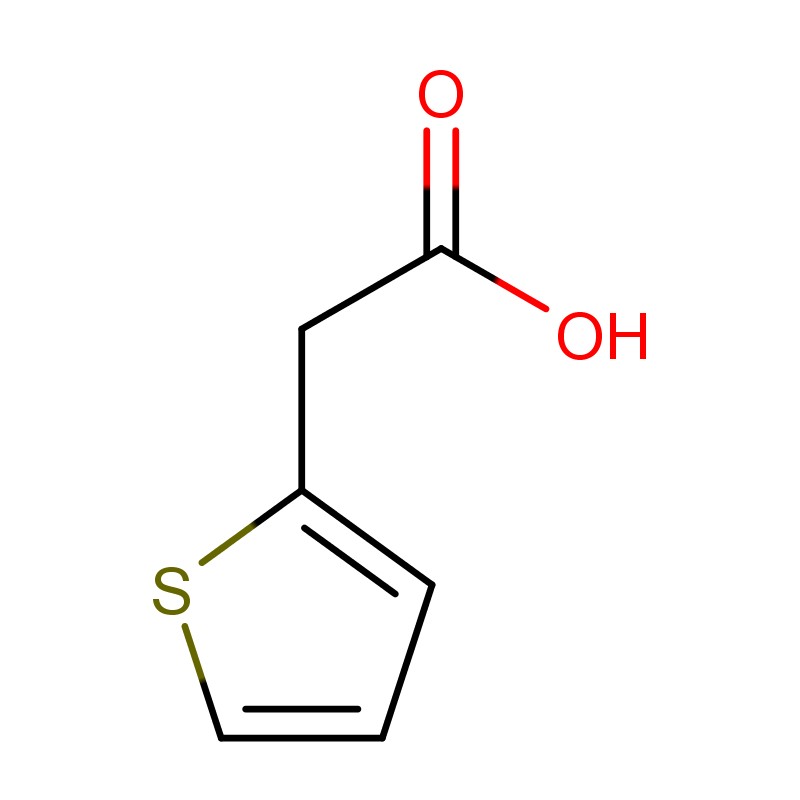
If you’re tired of treating Thiophene Pharmaceutical Intermediates like an ongoing incident report, consider working with a manufacturer that treats quality control, documentation, and logistics as part of the product—not extras.
- Specialization in thiophene intermediates: a focused portfolio helps suppliers tighten process control and impurity management.
- Batch documentation discipline: consistent CoAs and aligned specifications reduce QA friction.
- Packaging matched to chemical behavior: moisture-proof and protective packing approaches can reduce arrival issues.
- Global shipment capability: clear export paperwork flow and shipment tracking help procurement plan realistically.
- Scale-up mindset: the ability to support pilot-to-larger volumes prevents supplier switching mid-program.
A simple collaboration model that works
- Start with a clear spec and a small qualification order.
- Align on impurity monitoring and document format expectations.
- Lock in packaging and labeling to avoid preventable deviations.
- Establish change notification rules before you scale volume.
In other words: the best supplier relationship is boring—in the best way. Predictable. Repeatable. Easy to approve.
FAQ
What makes thiophene intermediates harder to source consistently?
Variability usually comes from impurity control, moisture sensitivity, and inconsistent test methods. The solution is a tighter spec, transparent analytics, and packaging aligned with the chemistry.
How many tests should a CoA include for Thiophene Pharmaceutical Intermediates?
It depends on your process, but many teams expect identity, assay/purity, moisture, and residual solvents at minimum—plus impurity profiling when downstream sensitivity is high.
Should I prioritize the lowest price or the highest purity?
Prioritize total cost of ownership: predictable performance, fewer investigations, and faster release. “High purity” is only meaningful if impurity profiles stay stable over time.
What is the fastest way to reduce lead time surprises?
Ask for realistic production lead times, confirm capacity planning for repeat orders, and request shipment pre-alerts with documentation before goods arrive.
Can a supplier support both R&D samples and larger scale orders?
Strong suppliers can—if they have controlled processes and stable raw material sourcing. Always ask how the process changes (or doesn’t) from lab to production scale.
What should I send in my first message to Leache Chem LTD.?
Send your target product, specs, required documents, quantity, destination country, and timeline. If you also share your key risks (moisture sensitivity, impurity limits), you’ll get a faster, more accurate response.
Ready to Make Thiophene Sourcing Predictable
If you’re building a more reliable pipeline for Thiophene Pharmaceutical Intermediates, don’t settle for vague specs and slow answers. A tight RFQ, a clear qualification plan, and a supplier that treats documentation and logistics as core deliverables will save you time and reduce risk.
Want a quote, spec alignment support, or a supply plan for your next batch? Please contact us and tell us what you’re making—your timeline deserves a supplier who moves as fast as your project does.