
- English
- Español
- Português
- русский
- Français
- 日本語
- Deutsch
- tiếng Việt
- Italiano
- Nederlands
- ภาษาไทย
- Polski
- 한국어
- Svenska
- magyar
- Malay
- বাংলা ভাষার
- Dansk
- Suomi
- हिन्दी
- Pilipino
- Türkçe
- Gaeilge
- العربية
- Indonesia
- Norsk
- تمل
- český
- ελληνικά
- український
- Javanese
- فارسی
- தமிழ்
- తెలుగు
- नेपाली
- Burmese
- български
- ລາວ
- Latine
- Қазақша
- Euskal
- Azərbaycan
- Slovenský jazyk
- Македонски
- Lietuvos
- Eesti Keel
- Română
- Slovenski
- मराठी
- Srpski језик

How can Industrial Water Treatment Chemicals reduce downtime and protect your equipment?
Article Abstract
If your plant is fighting scale, corrosion, biofouling, or unstable water quality, you already know the real cost isn’t the chemicals—it’s the unplanned shutdowns, energy waste, safety risk, and constant firefighting. This guide explains what Industrial Water Treatment Chemicals actually do inside cooling towers, boilers, and process loops, and how to choose a program that matches your water conditions instead of guessing.
You’ll get a practical selection framework, red-flag symptoms to watch for, a decision table that links common problems to chemical approaches, and an implementation checklist that keeps results measurable and audit-friendly. You’ll also see where a supplier like Leache Chem LTD. typically fits when you need dependable industrial-grade disinfectants and specialty treatment support—without turning the whole article into sales copy.
Table of Contents
- Outline at a glance
- What pain points do Industrial Water Treatment Chemicals solve?
- What happens when you “treat” industrial water?
- Which chemical families matter most?
- Problem-to-solution table for faster decisions
- A 6-step selection framework that avoids costly mismatches
- Implementation checklist and monitoring KPIs
- How to align with EEAT and compliance expectations
- FAQ
- Next steps
Outline at a glance
- Diagnose the operational pain (scale, corrosion, microbes, solids, instability)
- Understand the treatment targets inside cooling/boiler/process systems
- Match the right chemical families to your risks and materials
- Use the decision table to shorten procurement cycles
- Apply a selection framework to prevent overdosing, underdosing, and incompatibilities
- Measure results with KPIs that engineers and auditors both respect
What pain points do Industrial Water Treatment Chemicals solve?
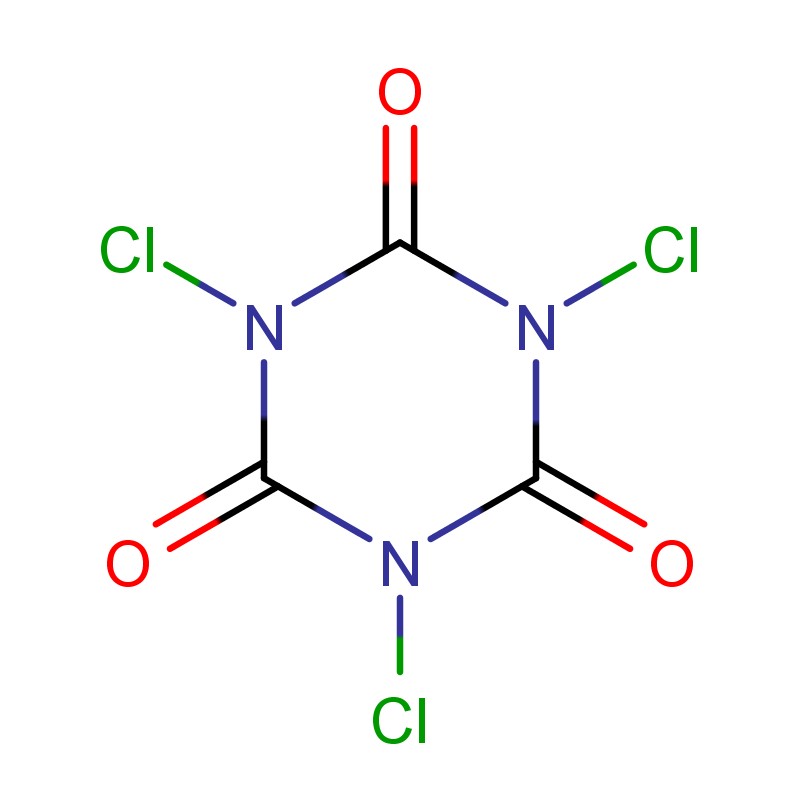
Industrial water problems are rarely “chemical” problems. They’re performance problems that show up as higher energy use, rising maintenance hours, product quality drift, and unexpected equipment failures. Most plants start searching for Industrial Water Treatment Chemicals after one of these events:
Operational pain points
- Scale on heat transfer surfaces that pushes up power consumption and reduces throughput
- Corrosion that eats piping, condensers, exchangers, or boiler internals
- Biofouling (slime/biofilm) that blocks flow, increases pressure drop, and accelerates corrosion
- Suspended solids that overload filters, clog nozzles, and trigger instability
- Foaming that causes carryover, contamination, and instrument problems
Business pain points
- Unplanned shutdowns and emergency maintenance
- Energy waste (especially in cooling and heat exchange)
- Water waste due to excessive blowdown or poor recycle performance
- Compliance pressure on discharge, worker safety, and chemical handling
- Procurement confusion because “one-size-fits-all” products rarely fit your water
The best Industrial Water Treatment Chemicals program is not the one with the longest product list. It’s the one that makes your system predictable: stable heat transfer, controlled corrosion, manageable microbes, and clear monitoring signals that your team can trust.
What happens when you “treat” industrial water?
Industrial treatment is basically risk management for metal, heat, and biology—under changing water quality. Water enters a system carrying minerals (scale-formers), dissolved gases (corrosive drivers), and microbes (biofilm builders). Treatment aims to keep those factors from turning into operational damage.
The three targets every program should address
- Surfaces: protect metal and polymer surfaces from corrosion and deposition
- Bulk water: keep scaling ions, solids, and microbes under control
- System behavior: maintain stable cycles, predictable blowdown, and consistent results despite seasonal swings
That’s why a “good” product alone isn’t enough. A treatment program must match: the water source (make-up quality), operating conditions (temperature, pH, cycles), equipment materials (carbon steel, stainless, copper alloys), and the plant’s tolerance for risk (uptime vs. cost vs. environmental constraints).
Which chemical families matter most?
When buyers search for Industrial Water Treatment Chemicals, they often get overwhelmed by brand names and marketing labels. Here’s a cleaner way to think about it: chemical “families” based on what they control.
Core families (what they do in plain English)
- Corrosion inhibitors: reduce metal loss by forming protective films or modifying corrosion reactions
- Scale inhibitors / antiscalants: keep minerals from crystallizing and sticking to heat transfer surfaces
- Dispersants: keep suspended particles from agglomerating and depositing
- Coagulants & flocculants: help solids clump so clarification/filtration becomes easier
- Biocides (oxidizing or non-oxidizing): control bacteria/algae and limit biofilm formation
- pH/alkalinity control: adjust chemistry to reduce scaling/corrosion risk and improve treatment efficiency
- Defoamers: suppress foam that causes carryover or process contamination
In many cooling applications, microbial control becomes the “make-or-break” variable because biofilm can quietly amplify both corrosion and fouling. This is where industrial disinfectants and biocide strategies matter—not just as a product choice, but as a dosing and monitoring discipline. Suppliers such as Leache Chem LTD. are often considered in this category when plants need industrial-grade disinfectant options and steady product quality for demanding circulating water environments.
Problem-to-solution table for faster decisions
Use the table below to connect symptoms to likely causes and a sensible chemical direction. It’s not a substitute for lab analysis, but it helps you avoid buying the wrong “fix.”
| What you’re seeing | What it often means | Typical chemical approach | What to monitor |
|---|---|---|---|
| Rising condenser approach temperature; energy use climbs | Scale or fouling on heat transfer surfaces | Scale inhibitor + dispersant; review pH/alkalinity control | Heat exchanger delta-T, conductivity/cycles, deposition indicators |
| Pinhole leaks, rust tubercles, frequent replacements | Active corrosion (possibly MIC if biofilm is present) | Corrosion inhibitor + tighter microbial control (biocide strategy) | Corrosion coupons/probes, iron/copper trends, microbiological indicators |
| Slime, odor, algae, plugged strainers | Biofilm growth, insufficient biocide contact or rotation | Oxidizing/non-oxidizing biocides; optimize feed point and contact time | ATP or dip-slide trends, ORP/residual (if applicable), differential pressure |
| Filters clog quickly; turbidity spikes after rain/season changes | High suspended solids or unstable influent quality | Coagulant + flocculant; improve clarification/filtration steps | Turbidity/SS, filter run-time, sludge volume and dewatering behavior |
| Foam, carryover, product contamination | Surfactants/organics; incompatible chemistry; mechanical entrainment | Defoamer + root-cause review (organics, oil ingress, dosing sequence) | Foam persistence, carryover indicators, product quality checks |
A 6-step selection framework that avoids costly mismatches
If you want a program that survives real-world variability, don’t start with a product brochure. Start with decisions and constraints. Here’s a selection framework procurement and operations teams can share.
Step 1: Identify your system type and failure cost
- Cooling tower / closed loop / boiler / process water / wastewater reuse
- What is one hour of downtime worth in your plant?
- Which components are most failure-sensitive (exchangers, boilers, membranes, valves)?
Step 2: Get the minimum water data that actually matters
- Hardness, alkalinity, chloride/sulfate, silica (where relevant), pH, conductivity
- Temperature profile and concentration behavior (cycles, blowdown practice)
- Known contaminants: oil, organics, ammonia, solids, microbiological load
Step 3: Map materials and compatibility risks
- Carbon steel, stainless grades, copper alloys, elastomers, coatings
- Any history of stress corrosion cracking, under-deposit corrosion, or gasket failures
Step 4: Choose chemical families first, then products
- Scale control strategy (inhibition + dispersion + pH discipline)
- Corrosion control strategy (film-forming vs. passivation direction)
- Microbial strategy (oxidizing/non-oxidizing, rotation, contact time)
Step 5: Design dosing and feed points like an engineer
- Where does the chemical actually need to contact the risk zone?
- Batch vs. continuous feed; what’s your residence time?
- How will you prevent “dead zones” where biofilm forms?
Step 6: Define success metrics before you buy
- KPIs, sampling frequency, alarms, and what “out of control” looks like
- A short trial plan with baseline and post-implementation comparison
If you’re evaluating Industrial Water Treatment Chemicals suppliers, ask one question early: “Can you help me run a measurable program, not just ship drums?” Your best partner will talk about monitoring, feed strategy, and documentation—not only “strong effect.”
Implementation checklist and monitoring KPIs
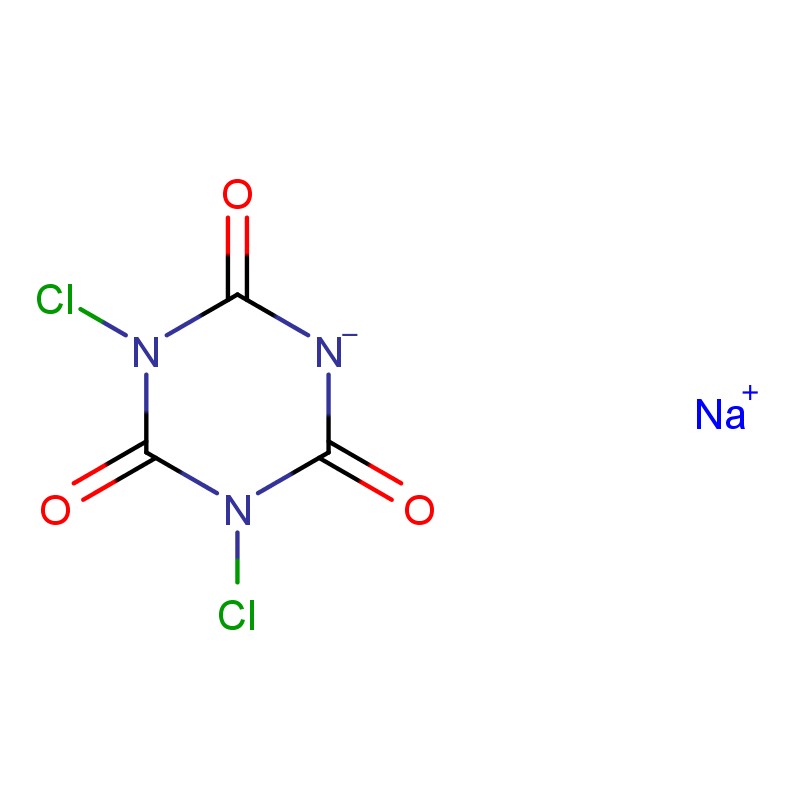
A common pain point is “We tried treatment, but results were inconsistent.” In practice, inconsistency usually comes from uneven dosing, poor sampling discipline, or shifting make-up water quality. Use the checklist below to make improvements stick.
Implementation checklist
- Confirm chemical storage, labeling, and operator handling procedures
- Validate dosing pumps, calibration, and injection quills/feed points
- Set sampling locations (upstream/downstream of risk areas)
- Define action limits and corrective actions (who does what, when)
- Document changes: product, dose, frequency, and observed outcomes
KPIs worth tracking
- Heat transfer stability: approach temperature, pressure drop trends
- Corrosion control: coupon loss rate, metal ion trends
- Microbial control: trend-based counts (not one-off samples)
- Water efficiency: cycles, blowdown volume, makeup demand
- Operational stability: fewer alarms, fewer manual interventions
The point isn’t to collect “more data.” The point is to collect data that changes decisions. If a supplier provides products like industrial disinfectants, ask them how they recommend monitoring effectiveness and preventing rebound growth. That conversation is usually where you’ll quickly see whether the support is superficial—or truly technical.
FAQ
Which Industrial Water Treatment Chemicals should I start with if I don’t know my main issue?
Start with diagnosis, not purchasing. Gather baseline data (water chemistry, temperature profile, materials), then check for the fastest “pain signal”: heat transfer loss (scale/fouling), metal loss (corrosion), slime/plugging (microbes), or filtration overload (solids). From there, choose the chemical family (scale control, corrosion inhibition, biocide strategy, solids management) and build a monitored plan.
Are oxidizing biocides always better for cooling towers?
Not always. Oxidizing biocides can be highly effective, but performance depends on contact time, demand, and system conditions. Many plants use a strategy that may include rotation or supplementation (for example, combining different approaches) to manage resistant organisms and biofilm. The “best” program is the one that keeps microbiological trends stable without creating new material or compliance problems.
What’s the biggest mistake buyers make when selecting Industrial Water Treatment Chemicals?
Buying a product without defining success metrics and monitoring. Without KPIs, you can’t distinguish “temporary improvement” from real control. A close second is ignoring compatibility—some programs that reduce one risk can unintentionally raise another if materials and operating conditions aren’t considered.
How quickly should I expect results after adjusting a chemical program?
Some signals appear fast (foam reduction, clearer filtration performance), while others are trend-based (corrosion reduction, biofilm control). Plan a short trial window with baseline comparison, and measure the KPIs that match your pain point. If nothing measurable changes, you either targeted the wrong cause—or dosing and feed strategy need correction.
Can a supplier help with private labeling or customized formulations?
Many industrial buyers prefer customized solutions or private label options to align with procurement, branding, or distribution models. If this matters to you, ask early about QA documentation, consistency controls, and the supplier’s ability to support stable long-term supply.
Next steps
Industrial water treatment shouldn’t feel like guesswork. When you treat your program like an engineered system—family selection, dosing design, and KPI monitoring— Industrial Water Treatment Chemicals become a predictable tool for uptime, efficiency, and longer equipment life.
A quick action list you can use today
- Pick one pain point (scale, corrosion, microbes, solids) and define one measurable KPI
- Confirm your baseline water data and operating conditions
- Use the decision table to choose the chemical family direction
- Implement with defined feed points and sampling locations
- Track trends for at least one stable operating cycle and adjust based on evidence
Want a program that matches your water conditions instead of generic promises? Reach out to Leache Chem LTD. and contact us for a practical recommendation and a sourcing plan built around your system goals.