
- English
- Español
- Português
- русский
- Français
- 日本語
- Deutsch
- tiếng Việt
- Italiano
- Nederlands
- ภาษาไทย
- Polski
- 한국어
- Svenska
- magyar
- Malay
- বাংলা ভাষার
- Dansk
- Suomi
- हिन्दी
- Pilipino
- Türkçe
- Gaeilge
- العربية
- Indonesia
- Norsk
- تمل
- český
- ελληνικά
- український
- Javanese
- فارسی
- தமிழ்
- తెలుగు
- नेपाली
- Burmese
- български
- ລາວ
- Latine
- Қазақша
- Euskal
- Azərbaycan
- Slovenský jazyk
- Македонски
- Lietuvos
- Eesti Keel
- Română
- Slovenski
- मराठी
- Srpski језик

Which 5-Isobutyl Hydantoin Properties Matter Most for Reliable Chemical Applications?
Chemical Knowledge & Application Guide
5-Isobutyl Hydantoin is a hydantoin-related organic compound that may be of interest to chemical manufacturers, research laboratories, and businesses involved in specialty chemical development. When evaluating this material, buyers need more than a product name. They need reliable identification, consistent quality, suitable documentation, and a clear understanding of how the compound fits their intended process.
This guide introduces the chemical background of 5-Isobutyl Hydantoin, explains the key purchasing and quality considerations, and outlines practical steps for evaluating a potential supplier. It also discusses handling, storage, and technical communication so that procurement teams can make better-informed decisions.
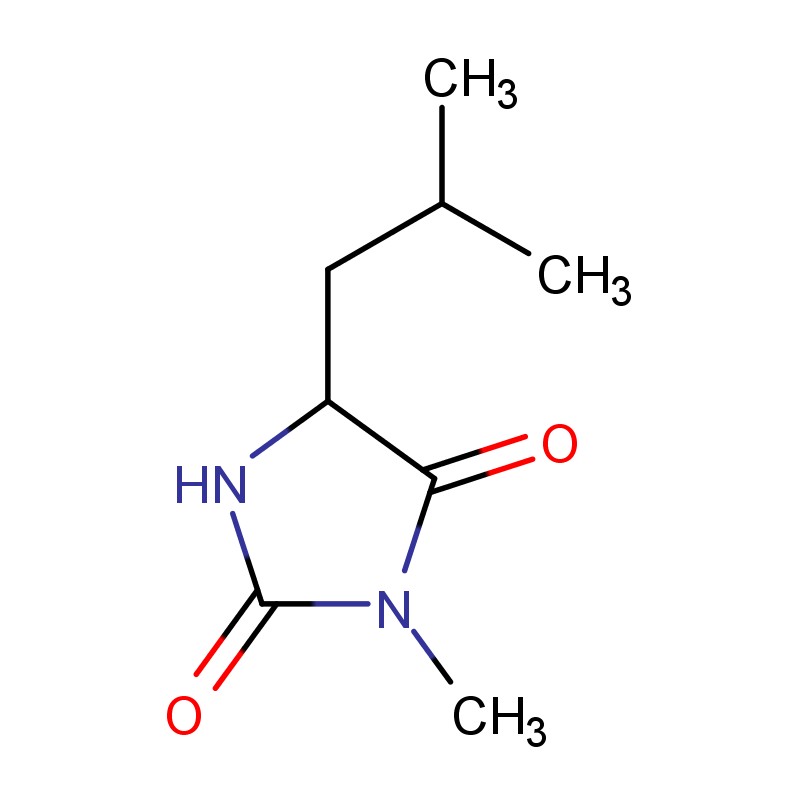
1. What Is 5-Isobutyl Hydantoin?
5-Isobutyl Hydantoin is an organic compound associated with the hydantoin chemical family. Hydantoins are a group of heterocyclic compounds characterized by a five-membered ring containing two nitrogen atoms and two carbonyl groups. Different substituents attached to this core structure create different hydantoin derivatives with distinct chemical properties.
In 5-Isobutyl Hydantoin, the isobutyl substituent is associated with the fifth position of the hydantoin ring. This structural feature distinguishes the compound from unsubstituted hydantoin and other derivatives carrying different side chains.
For chemical buyers and technical teams, understanding the compound's identity is the first step toward evaluating its suitability. A material should not be selected solely because its name resembles another compound or because it belongs to the same chemical family. Its exact identity, specification, and intended use must be verified.
Key consideration: The chemical name is a starting point for identification, not a complete technical specification. Buyers should confirm the molecular structure, CAS Registry Number, molecular formula, and analytical data with the supplier before placing an order.
Why the compound attracts technical interest
Hydantoin derivatives are studied in different areas of organic and medicinal chemistry because their ring structure can serve as a useful chemical framework. The presence of nitrogen-containing and carbonyl functional groups makes this family relevant to synthetic chemistry and compound development.
However, the properties and uses of one hydantoin derivative should not automatically be assigned to another. The specific behavior of 5-Isobutyl Hydantoin needs to be established through reliable chemical references, experimental data, and application-specific testing.
2. Understanding Its Chemical Structure
The structure of a chemical compound influences how it behaves during synthesis, purification, storage, and potential application. For 5-Isobutyl Hydantoin, two structural elements are especially relevant: the hydantoin ring and the isobutyl substituent.
The hydantoin ring
The hydantoin ring is a five-membered heterocyclic structure containing two nitrogen atoms and two carbonyl groups. These functional groups contribute to the compound's chemical identity and influence its interactions with other substances.
In chemical development, the hydantoin framework is valuable as a recognizable structural motif. Researchers may investigate how modifications to the ring or its substituents influence reactivity, solubility, and the behavior of the resulting molecules.
The isobutyl substituent
The isobutyl group is a branched four-carbon alkyl group. Its presence changes the molecular structure compared with hydantoin compounds that have no substituent or carry a different group at the corresponding position.
Introducing an alkyl substituent can affect properties such as molecular size, hydrophobic character, crystal packing, and interactions with solvents. The actual impact depends on the complete molecular structure and experimental conditions. It should therefore be evaluated using measured data rather than assumptions based on the side chain alone.
Structural information buyers should confirm
| Information | Why It Matters |
|---|---|
| Chemical name | Helps establish the intended compound and distinguish it from related derivatives. |
| CAS Registry Number | Provides an additional identifier for checking chemical identity. |
| Molecular formula | Describes the elemental composition of the molecule. |
| Molecular structure | Helps verify the position and identity of the substituent groups. |
| Analytical data | Provides evidence supporting identity and purity claims. |
3. Why Chemical Identification Matters
Accurate chemical identification is essential in specialty chemical procurement. A small difference in molecular structure can lead to a different compound, even when two products have similar names or belong to the same chemical family.
For manufacturers and research organizations, incorrect identification can result in wasted laboratory time, unsuitable reaction conditions, inconsistent experimental outcomes, and unnecessary procurement costs.
Preventing confusion between related compounds
Hydantoin derivatives may share similar naming patterns. Differences in the position, branching, or length of a substituent can change the identity of the compound. Buyers should avoid relying on abbreviated product names when preparing purchase orders or technical specifications.
Before confirming a purchase, compare the supplier's product information with the exact structure required by the application. If the product is intended for a specific synthesis route, the technical team should verify that the supplied material matches the intermediate or reagent described in the process documentation.
Building traceability into procurement
Traceability helps connect a purchased chemical to its supplier, production batch, test results, and shipment records. This is particularly useful when several batches are purchased over time or when the material is used in a multi-stage development process.
- Confirm the full chemical name and identifiers.
- Request a batch-specific Certificate of Analysis where available.
- Keep product specifications and purchase records together.
- Record the batch or lot number upon receiving the material.
- Report any differences between the delivered material and the agreed specification.
4. Potential Applications and Research Interest
Hydantoin compounds are known as a broad class of heterocyclic organic molecules used in chemical research and synthesis. Their relevance comes from the combination of nitrogen atoms, carbonyl groups, and the ability to modify the ring system with different substituents.
For 5-Isobutyl Hydantoin, potential interest should be considered in the context of its verified identity and the specific technical requirements of the intended project. A supplier or buyer should not assume that every application reported for the wider hydantoin family is automatically suitable for this particular derivative.
Organic synthesis and compound development
Hydantoin-related structures can be relevant to organic synthesis research. Scientists may investigate their use as starting materials, intermediates, or structural components in the preparation of more complex molecules. Whether 5-Isobutyl Hydantoin is suitable for a particular route depends on the reaction design, required functional groups, and experimental evidence.
Research and laboratory evaluation
Laboratory teams may require well-characterized chemical materials for exploratory studies, method development, or comparative analysis. In these situations, reliable identification and batch consistency are important because the quality of the starting material can influence the interpretation of experimental results.
Specialty chemical development
Specialty chemical projects often involve compounds that are purchased in smaller quantities during early development and evaluated more extensively before larger-scale procurement. A clear technical specification helps connect early-stage testing with future sourcing decisions.
Application reminder: Confirm the intended application with a qualified chemist and review relevant technical literature before using 5-Isobutyl Hydantoin in a new process. Application suitability should be supported by actual testing and verified material data.
5. Important Quality Parameters to Evaluate
Product quality is not defined by a single number. For a specialty organic compound, buyers should review several parameters together to determine whether the material meets their requirements.
Identity and purity
Identity testing helps confirm that the delivered material is the intended chemical compound. Purity testing provides information about the proportion of the target substance relative to detected impurities, depending on the analytical method and reporting basis.
Buyers should pay attention to how purity is measured. Different analytical methods may produce results that are not directly comparable. The test method, calculation basis, and reporting units should be clearly stated.
Impurity profile
Impurities may originate from starting materials, reaction by-products, solvents, processing equipment, or storage conditions. Their relevance depends on the intended application and the required quality level.
For applications with strict material requirements, buyers should discuss relevant impurity limits with the supplier before ordering. A general purity percentage may not provide enough information when a particular impurity could interfere with downstream processing.
Physical characteristics
Appearance, physical form, and other observable characteristics can support incoming inspection. These properties should be documented in the product specification where relevant. They should not be treated as substitutes for chemical identification or analytical testing.
| Quality Parameter | Evaluation Purpose | Buyer Consideration |
|---|---|---|
| Appearance | Checks whether the material visually matches the agreed description. | Confirm the expected color and physical form. |
| Identity | Supports confirmation of the target compound. | Review suitable spectroscopic or other validated test results. |
| Purity | Indicates the measured proportion of the target compound. | Confirm the method and acceptance criteria. |
| Impurity profile | Provides information about detectable secondary components. | Identify impurities that may affect the intended process. |
| Moisture or volatile content | May help assess material condition when relevant. | Specify testing requirements according to the application. |
| Batch consistency | Helps evaluate reproducibility between deliveries. | Compare batch records and analytical results over time. |
6. How Analytical Testing Supports Quality
Analytical testing provides objective information about a chemical material. It helps suppliers verify product characteristics and gives buyers a basis for evaluating whether the delivered batch meets the agreed specification.
High-performance liquid chromatography
High-performance liquid chromatography, commonly known as HPLC, is widely used to separate and analyze components in chemical samples. Depending on the method, it can help evaluate purity and identify certain related impurities.
When reviewing an HPLC report, buyers should check the analytical conditions, detector information where relevant, and how the reported purity value is calculated. A chromatogram without clear method information may be difficult to interpret.
Mass spectrometry
Mass spectrometry measures the mass-to-charge ratios of ions and can provide useful evidence for molecular mass-related identification. It is often used alongside other analytical techniques rather than as the sole proof of a compound's complete structure.
Nuclear magnetic resonance spectroscopy
Nuclear magnetic resonance spectroscopy, or NMR, provides information about the chemical environments of atoms within a molecule. Proton NMR and carbon NMR data can help support structural identification when interpreted by qualified personnel.
Fourier-transform infrared spectroscopy
FTIR spectroscopy measures infrared absorption associated with molecular vibrations. It can provide information about functional groups and help compare a sample with an appropriate reference spectrum.
No single analytical technique answers every quality question. The appropriate combination of methods depends on the compound, specification, and intended use.
Practical purchasing tip: Ask for test documentation that corresponds to the actual production batch whenever possible. Confirm that the reported methods are appropriate for the quality characteristics that matter to your application.
7. What Buyers Should Check Before Purchasing
Purchasing a specialty chemical requires coordination between procurement, technical, quality, and logistics teams. A clear request for quotation can reduce misunderstandings and make supplier comparisons more meaningful.
Define the required specification
Before contacting suppliers, prepare a concise specification that describes the exact compound and the quality requirements. If the material is being used in an existing process, refer to the internal specification or approved technical documentation.
Confirm quantity and purchasing stage
Different projects have different purchasing needs. Laboratory evaluation may require a small sample, while pilot production or established manufacturing may require larger quantities. Buyers should communicate their current stage so the supplier can provide relevant packaging and quotation information.
Review technical documentation
Documentation helps buyers understand what is being supplied and how the material should be handled. Depending on availability and the nature of the product, useful documents may include:
- Product specification or technical data sheet.
- Batch-specific Certificate of Analysis.
- Safety Data Sheet.
- Relevant analytical reports.
- Packaging and storage information.
- Available transport or regulatory documentation.
Clarify commercial and delivery requirements
Technical suitability is only one part of a successful purchase. Buyers should also confirm lead time, minimum order quantity, packaging options, shipping arrangements, payment terms, and the availability of repeat supply.
| Question to Ask | Why It Is Important |
|---|---|
| Can you confirm the exact chemical identity? | Reduces the risk of ordering a similar but incorrect compound. |
| What purity specification can you provide? | Helps determine whether the material meets project requirements. |
| Is a batch-specific COA available? | Supports incoming quality review and traceability. |
| What is the available quantity? | Helps align supply with sample, pilot, or production needs. |
| What is the expected lead time? | Supports production planning and inventory management. |
| What packaging options are available? | Helps protect the material during storage and transportation. |
8. Packaging, Storage, and Handling Considerations
Appropriate packaging and storage help maintain the condition of chemical materials during transportation and after delivery. The correct conditions for 5-Isobutyl Hydantoin should be determined from verified product-specific stability information and the supplier's Safety Data Sheet.
Packaging requirements
Packaging should be compatible with the material and suitable for the expected transportation conditions. It should also protect the product from contamination, moisture exposure, and physical damage where these factors are relevant.
For international shipments, buyers should confirm that the packaging, labeling, and accompanying documents meet applicable transport and destination-market requirements.
Storage conditions
Do not assume that all hydantoin derivatives require identical storage conditions. Temperature limits, moisture sensitivity, light sensitivity, and shelf-life information should be checked against the supplier's documentation.
Once received, the material should be stored in its original or otherwise approved container, with the label and batch information retained. Containers should be closed properly after use, and storage areas should be managed according to the relevant safety requirements.
Safe handling practices
- Read the current Safety Data Sheet before handling the material.
- Use suitable personal protective equipment based on the documented hazards.
- Work in an appropriate laboratory or industrial handling environment.
- Avoid unnecessary dust generation when handling powdered materials.
- Prevent accidental contact with incompatible substances.
- Follow local procedures for spills, waste disposal, and emergency response.
Important: Specific hazard classifications and handling precautions must come from the current SDS for the exact product supplied. Do not infer safety properties from the compound's chemical family or name alone.
9. Common Procurement Challenges
Specialty chemical buyers may face challenges that are not always visible during the initial quotation process. Identifying these issues early can help avoid delays, unexpected costs, and quality disputes.
Incomplete product information
A product listing may provide only a chemical name and a short description. Without an identifier, specification, or analytical report, it can be difficult to determine whether the offered material matches the buyer's requirements.
How to address it: Request a complete product identity package and clarify any missing information before confirming the order.
Unclear purity requirements
Different suppliers may quote different purity values or use different testing methods. Comparing these figures without understanding the methods can lead to an inaccurate assessment.
How to address it: Agree on the test method, reporting basis, and acceptance criteria before purchase.
Inconsistent batch documentation
Buyers may receive a product specification during quotation but find that the delivered batch has limited supporting information. This can complicate quality checks and internal approval.
How to address it: Confirm the documentation that will accompany each shipment, especially when batch traceability is required.
Uncertain supply schedules
Specialty chemicals may have different production or sourcing lead times depending on order quantity and availability. Delayed deliveries can affect laboratory schedules and manufacturing plans.
How to address it: Confirm stock status, production lead time, shipping arrangements, and expected delivery dates in writing.
Insufficient communication between departments
Procurement teams may focus on price and delivery, while technical teams focus on identity and purity. If these requirements are not communicated together, the selected product may not satisfy the actual project needs.
How to address it: Align the technical specification, commercial quotation, and incoming inspection criteria before placing the purchase order.
10. How to Evaluate a Reliable Supplier
A reliable chemical supplier should be able to communicate clearly about product identity, available specifications, documentation, and delivery arrangements. Price is important, but it should not be the only factor used to evaluate a supplier.
Technical communication
Pay attention to how the supplier responds to technical questions. Clear answers about chemical identity, testing methods, and product documentation can help buyers assess whether the supplier understands the material being offered.
Quality documentation
Review the consistency and completeness of the documents provided. Product specifications, analytical reports, and batch records should contain information that can be checked and compared against the agreed requirements.
Supply capability
Discuss the supplier's ability to meet the required quantity and delivery schedule. If the project requires repeat orders, ask how product specifications and batch records are managed across different deliveries.
Transparent commercial terms
Quotation details should clearly identify the product, quantity, packaging, price basis, delivery terms, and expected lead time. Any conditions that may affect the final cost or schedule should be clarified before the order is confirmed.
Working with Leache Chem LTD.
For businesses sourcing specialty chemicals, clear communication and accurate product information are essential throughout the purchasing process. Leache Chem LTD. recognizes the importance of helping customers clarify their material requirements, review relevant product information, and coordinate procurement details.
When making an inquiry about 5-Isobutyl Hydantoin, buyers should provide their target specification, required quantity, intended application, and documentation expectations. This information helps establish whether the available product information aligns with the project's technical and commercial needs.
11. Frequently Asked Questions
Q1. What is 5-Isobutyl Hydantoin?
5-Isobutyl Hydantoin is a hydantoin-related organic compound featuring an isobutyl substituent at the fifth position of the hydantoin ring. Its exact identity should be confirmed using reliable chemical identifiers and structural information.
Q2. What is the chemical structure of 5-Isobutyl Hydantoin?
It contains a hydantoin ring, which is a five-membered heterocyclic structure with two nitrogen atoms and two carbonyl groups, together with an isobutyl substituent. Buyers should request a verified structural representation when confirming product identity.
Q3. What is 5-Isobutyl Hydantoin used for?
Its potential relevance should be evaluated according to the specific research or synthesis project. Hydantoin derivatives are studied in organic and medicinal chemistry, but the suitability of this individual compound must be established through technical references and application-specific testing.
Q4. How can buyers verify the identity of 5-Isobutyl Hydantoin?
Buyers can request the chemical name, CAS Registry Number, molecular formula, structural information, and relevant analytical data. Techniques such as NMR, mass spectrometry, and FTIR may provide supporting evidence when appropriately applied.
Q5. Why is purity important when purchasing this compound?
Purity can influence the suitability of a chemical for a particular synthesis or research process. Buyers should review the reported purity together with the test method, impurity profile, and acceptance criteria required by their application.
Q6. What documents should accompany a chemical order?
Depending on the product and purchasing requirements, useful documents may include a product specification, batch-specific Certificate of Analysis, Safety Data Sheet, and relevant analytical reports. Buyers should confirm document availability before placing an order.
Q7. How should 5-Isobutyl Hydantoin be stored?
Storage conditions should follow the product-specific SDS and verified stability information. Buyers should confirm temperature, moisture, light, packaging, and shelf-life requirements with the supplier rather than assuming standard conditions apply to every hydantoin derivative.
Q8. Can buyers request a sample before bulk purchasing?
Sample availability depends on the supplier's supply arrangements and product status. Buyers can discuss sample quantity, packaging, analytical documentation, and delivery options before moving to a larger order.
Q9. What information should be included in an inquiry?
A useful inquiry should include the exact compound name, required quantity, target purity or specification, intended application, destination country, and documentation requirements. Providing these details helps the supplier respond more accurately.
Q10. How can buyers compare different 5-Isobutyl Hydantoin suppliers?
Compare suppliers based on verified product identity, analytical documentation, specification consistency, communication quality, available quantity, delivery schedule, packaging, and commercial terms. The lowest quoted price does not necessarily represent the best overall purchasing value.
12. Conclusion: Making a More Informed Chemical Purchasing Decision
Evaluating 5-Isobutyl Hydantoin requires attention to more than its chemical name. Buyers should understand the hydantoin framework, confirm the isobutyl substitution, and review the product's identity and analytical characteristics before selecting a supplier.
For research teams and chemical manufacturers, reliable documentation, clear specifications, and consistent batch information can reduce procurement uncertainty. Reviewing analytical methods, discussing application requirements, and confirming storage and handling instructions also help support a more controlled purchasing process.
Choosing a supplier should involve a balanced assessment of technical information, quality documentation, supply capability, and commercial communication. By defining requirements clearly and verifying the information provided, buyers can make decisions that better support their research and production objectives.
Looking for 5-Isobutyl Hydantoin Supply Information?
Whether you are evaluating a new chemical material, preparing a research project, or planning specialty chemical procurement, clear product information is the foundation of a successful sourcing decision.
Contact Leache Chem LTD. to discuss your requirements for 5-Isobutyl Hydantoin, including product specifications, available documentation, quantity needs, and delivery arrangements. Contact us today to start a professional inquiry and explore a suitable supply solution for your project.