
- English
- Español
- Português
- русский
- Français
- 日本語
- Deutsch
- tiếng Việt
- Italiano
- Nederlands
- ภาษาไทย
- Polski
- 한국어
- Svenska
- magyar
- Malay
- বাংলা ভাষার
- Dansk
- Suomi
- हिन्दी
- Pilipino
- Türkçe
- Gaeilge
- العربية
- Indonesia
- Norsk
- تمل
- český
- ελληνικά
- український
- Javanese
- فارسی
- தமிழ்
- తెలుగు
- नेपाली
- Burmese
- български
- ລາວ
- Latine
- Қазақша
- Euskal
- Azərbaycan
- Slovenský jazyk
- Македонски
- Lietuvos
- Eesti Keel
- Română
- Slovenski
- मराठी
- Srpski језик

What Makes the Type2 AC Charging Cable the Standard Choice for European EV Charging?
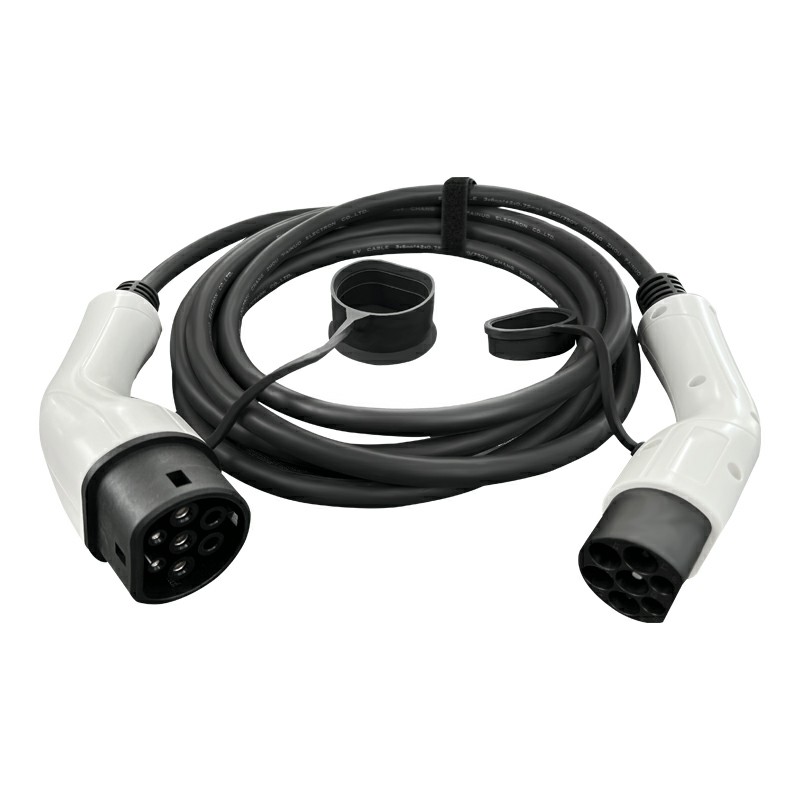
As electric vehicles continue to gain market share across Europe, the demand for reliable, standardized charging solutions has never been greater. The Type2 AC Charging Cable has become the de facto standard for AC charging in most European countries, offering a safe, efficient, and widely compatible connection between EV charging stations and vehicles. This article examines the key features, technical specifications, and practical considerations for this essential EV accessory. We also look at why VanTon has become a trusted supplier of Type2 charging cables to customers across the UK and other European markets.
The Backbone of European EV Charging Infrastructure
The transition to electric mobility requires more than just vehicles—it demands a robust and reliable charging infrastructure. Central to this infrastructure is the charging cable that connects the vehicle to the power source. In Europe, the Type2 connector (defined by IEC 62196-2) has emerged as the standard for AC charging, adopted by most automakers and charging station operators.
The Type2 AC Charging Cable from VanTon is designed to meet the needs of EV owners, fleet operators, and charging infrastructure providers. With a focus on durability, safety, and compatibility, this cable supports the growing demand for convenient and reliable charging. This article provides an overview of its features, technical parameters, and the factors to consider when selecting a charging cable.
Understanding the Type2 Standard
The Type2 connector, also known as the Mennekes plug, is the European standard for AC charging. It is widely used across most European countries and is supported by major automakers including BMW, Volkswagen, Mercedes-Benz, and many others. The connector supports single-phase and three-phase charging, with current ratings typically ranging from 8A to 63A depending on the cable and vehicle capabilities.
The Type2 standard is defined under IEC 62196-2 and includes features such as: a round, seven-pin design that allows for single- or three-phase charging; pilot and proximity contacts for communication between the vehicle and the charging station; and mechanical locking mechanisms to ensure secure connection during charging. The standard's widespread adoption ensures that EV owners can charge at most public and private charging stations without compatibility issues.
Key Features and Design Considerations
The Type2 AC Charging Cable from VanTon incorporates several features that contribute to its reliability and ease of use.
Durable Construction
The cable is constructed with reinforced thermoplastics for the plug and housing, providing impact resistance and durability for frequent use. The cable cover is made from PUR, a material known for its flexibility and resistance to wear, oils, and weathering. This ensures the cable remains flexible even in cold temperatures, reducing the risk of damage from bending or twisting.
High-Quality Contacts
The pin material is copper alloy with silver plating. This combination provides excellent conductivity and corrosion resistance, ensuring efficient power transmission and a long service life even after numerous insertion and removal cycles. The insertion and extraction force is controlled within the range of 45N to 100N, providing a secure connection without being overly difficult to operate.
Weather Protection
The cable is rated IP54 when not in use and IP55 during operation. This means it is protected against dust ingress and water splashes, making it suitable for outdoor use in various weather conditions. The robust sealing prevents moisture from reaching the electrical contacts, reducing the risk of corrosion or short circuits.
Safety Features
The Type2 standard includes built-in safety features such as temperature monitoring and locking mechanisms. Some versions also include LED indicators to show charging status. The cable is designed to operate in temperatures ranging from -30°C to +50°C, accommodating a wide range of climatic conditions.
Technical Specifications
Below is a summary of the key specifications for the Type2 AC Charging Cable from VanTon.
| Parameter | Specification Details |
| Product Name | Type2 AC Charging Cable |
| Charging Mode | Type2 (IEC 62196-2) |
| Rated Current | 8A – 16A adjustable |
| Rated Voltage | 250V |
| Working Voltage | 220V |
| Working Temperature | -30°C to +50°C |
| Entrance Protection | IP54 (IP55 during operation) |
| Insertion/Extraction Cycles | >1000 |
| Insertion/Extraction Force | 45N – 100N |
| Plug and Housing Material | Reinforced thermoplastics |
| Cover Material | PUR |
| Pin Material | Copper alloy, silver plated |
Choosing the Right Cable: Practical Considerations
When selecting a Type2 AC Charging Cable, several factors should be considered:
Cable Length
The length of the cable should match the typical distance between the charging point and the vehicle's charging port. While longer cables offer more flexibility in vehicle positioning, they also add cost and may increase the risk of damage or tripping hazards. A cable that is too long can also affect charging efficiency and performance.
Charging Power and Current
The cable's current rating should match the vehicle's charging capability and the charging station's output. For most home charging applications, the 8A to 16A range is sufficient. For faster charging, higher current ratings are available.
Compatibility
Ensure the cable is compatible with your vehicle's charging port and the charging station. The Type2 standard is widely supported, but some older vehicles may require adapters or different connector types.
Environmental Conditions
Consider the typical weather conditions in your area. The IP54/IP55 rating provides good protection against dust and water, making it suitable for outdoor use in most climates.
Frequently Asked Questions (FAQ)
Q: What vehicles are compatible with the Type2 AC Charging Cable?
A: Most European EVs that support AC charging use the Type2 connector. This includes vehicles from BMW, Volkswagen, Mercedes-Benz, Audi, Porsche, Volvo, and many others.
Q: Can I use a Type2 cable with a non-European vehicle?
A: If the vehicle has a Type2 charging port, it can be used. However, vehicles from North America or Japan typically use different connector standards (J1772 or CHAdeMO) and may require an adapter.
Q: Is the cable suitable for outdoor use in winter?
A: Yes. The cable is designed to operate at temperatures as low as -30°C. The PUR cable cover remains flexible in cold conditions, reducing the risk of cracking or damage.
Q: How long does the cable typically last?
A: With normal use, the cable is designed to withstand more than 1000 insertion and extraction cycles. The silver-plated contacts resist corrosion, and the robust housing protects against physical damage.
Q: Does VanTon offer customization for Type2 cables?
A: Yes. VanTon offers various options including different cable lengths, colors, and current ratings. Contact their sales team for specific requirements.
Q: What certifications does VanTon's Type2 cable hold?
A: VanTon products are certified with CE, TUV, UL, and other relevant standards, ensuring compliance with international safety and performance requirements.
Conclusion
The Type2 AC Charging Cable is a fundamental component of the European EV charging ecosystem. Its robust construction, reliable performance, and widespread compatibility make it the standard choice for AC charging across the continent. VanTon, with 12 years of manufacturing experience and a strong presence in the UK and European markets, offers high-quality Type2 cables backed by CE, TUV, and other international certifications. For inquiries or to request a quotation, please contact us.