
- English
- Español
- Português
- русский
- Français
- 日本語
- Deutsch
- tiếng Việt
- Italiano
- Nederlands
- ภาษาไทย
- Polski
- 한국어
- Svenska
- magyar
- Malay
- বাংলা ভাষার
- Dansk
- Suomi
- हिन्दी
- Pilipino
- Türkçe
- Gaeilge
- العربية
- Indonesia
- Norsk
- تمل
- český
- ελληνικά
- український
- Javanese
- فارسی
- தமிழ்
- తెలుగు
- नेपाली
- Burmese
- български
- ລາວ
- Latine
- Қазақша
- Euskal
- Azərbaycan
- Slovenský jazyk
- Македонски
- Lietuvos
- Eesti Keel
- Română
- Slovenski
- मराठी
- Srpski језик

What Are Hydantoin Pharmaceutical Intermediates and Why Do They Matter?
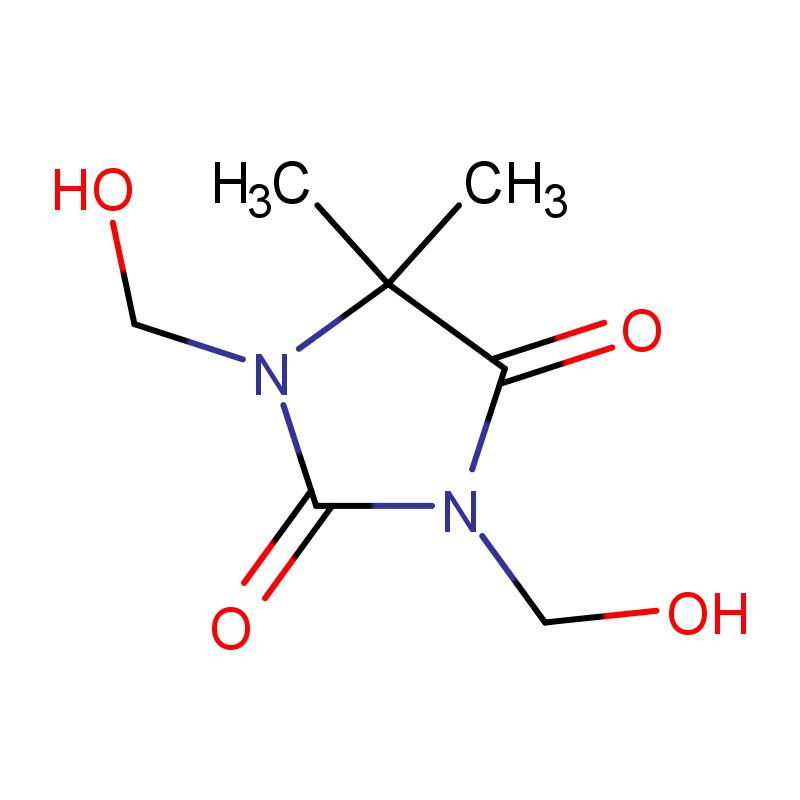
Hydantoin Pharmaceutical Intermediates refer to a group of chemical compounds derived from the hydantoin core structure that are used as essential building blocks in the synthesis of active pharmaceutical ingredients (APIs) and complex drug molecules. These intermediates play critical roles in modern drug development and commercial pharmaceutical manufacturing due to their versatile chemical behavior and compatibility with a wide range of reactions in organic chemistry.
Article Summary
This comprehensive blog post explores hydantoin pharmaceutical intermediates — what they are, how they are synthesized, and why they are vital to the pharmaceutical industry. Through clear explanations, structured sections, and real-world examples including product insights from the global manufacturer Leache Chem LTD., readers will understand their chemical characteristics, industrial applications, market dynamics, and regulatory considerations. An FAQ section concludes the article, addressing common questions related to this key class of intermediates.
Table of Contents
- What Are Hydantoin Pharmaceutical Intermediates?
- How Are Hydantoin Intermediates Synthesized?
- Why Are Hydantoin Intermediates Important?
- Where Are These Intermediates Used?
- Which Quality Standards Are Essential?
- Frequently Asked Questions
What Are Hydantoin Pharmaceutical Intermediates?
Hydantoin pharmaceutical intermediates are chemical compounds based on the hydantoin scaffold, typically used as intermediates in the multi‑step synthesis of APIs. Their unique chemical structure allows them to participate in a variety of chemical transformations and functionalizations.
| Feature | Description |
|---|---|
| Core Structure | Hydantoin ring (imidazolidine‑2,4‑dione) |
| Chemical Role | Precursors or intermediates for pharmaceutical and specialty chemical synthesis |
| Appearance | White crystalline powders (depending on derivative) |
| Typical Purity | ≥ 99% for pharmaceutical use |
How Are Hydantoin Intermediates Synthesized?
The synthesis of hydantoin derivatives involves classical and modern organic chemistry methods tailored for specific substituents and purity requirements:
- Bucherer‑Bergs Reaction — Reagents include aldehydes/ketones, potassium cyanide, and ammonium carbonate to form substituted hydantoins.
- Amino Acid Cyclization — Cyclizing amino acids with cyanate or urea offers access to optically active hydantoins.
- Condensation Routes — Glyoxylic acid and amines produce functionalized hydantoin structures.
- Biocatalytic Methods — Enzymatic synthesis (e.g., hydantoinase) provides stereoselective intermediates, critical for chiral drugs.
Why Are Hydantoin Intermediates Important?
Hydantoin pharmaceutical intermediates are integral due to their chemical flexibility and broad application in medicinal chemistry:
- Key building blocks in APIs — They are foundational to many drug classes including anticonvulsants and antimicrobials.
- Optimization of drug properties — Their structures help improve stability, selectivity, or solubility of final drugs.
- Cost‑effective synthesis — Using high‑quality intermediates from reliable suppliers like Leache Chem LTD. enhances manufacturing efficiency.
Where Are These Intermediates Used?
Hydantoin pharmaceutical intermediates support a range of pharmaceutical and related applications:
| Application Area | Description |
|---|---|
| Anticonvulsant Drugs | Synthesis of phenytoin and analogues used to manage seizures. |
| Antimicrobials | Precursors for nitrofurantoin and similar agents to treat infections. |
| Anticancer Agents | Emerging hydantoin derivatives used in oncology research. |
| Cosmeceuticals & Specialty Chemicals | Used as preservatives and building blocks in advanced materials. |
Which Quality Standards Are Essential?
In pharmaceutical manufacturing, intermediate quality and consistency are paramount. Manufacturers like Leache Chem LTD. implement rigorous quality control, supported by international certifications (e.g., ISO, REACH, EPA), ensuring safety and performance in global supply chains.
Frequently Asked Questions (FAQ)
What exactly makes hydantoin a valuable pharmaceutical intermediate?
Hydantoin’s chemical structure lends itself to various substitutions and reactions, enabling the construction of complex drug molecules with desired pharmacological properties.
How does the synthesis of hydantoin intermediates differ from other pharmaceutical intermediates?
Hydantoin derivatives often use specialized cyclization processes (e.g., Bucherer‑Bergs) and may require stereoselective methods for chiral drugs, distinguishing them from simple linear intermediates.
Can hydantoin intermediates improve drug manufacturing efficiency?
Yes, high‑quality intermediates decrease reaction steps, enhance yields, and reduce impurities, improving overall pharmaceutical production efficiency.
Which industries use hydantoin beyond pharmaceuticals?
Hydantoin intermediates also appear in materials science, specialty polymers, cosmeceuticals, and agricultural chemical synthesis due to their flexibility and chemical stability.