
- English
- Español
- Português
- русский
- Français
- 日本語
- Deutsch
- tiếng Việt
- Italiano
- Nederlands
- ภาษาไทย
- Polski
- 한국어
- Svenska
- magyar
- Malay
- বাংলা ভাষার
- Dansk
- Suomi
- हिन्दी
- Pilipino
- Türkçe
- Gaeilge
- العربية
- Indonesia
- Norsk
- تمل
- český
- ελληνικά
- український
- Javanese
- فارسی
- தமிழ்
- తెలుగు
- नेपाली
- Burmese
- български
- ລາວ
- Latine
- Қазақша
- Euskal
- Azərbaycan
- Slovenský jazyk
- Македонски
- Lietuvos
- Eesti Keel
- Română
- Slovenski
- मराठी
- Srpski језик

Why is BCDMH for Swimming Pool and Spa Essential for Crystal Clear Water Quality?
Maintaining safe, clean, and hygienic water in swimming pools and spas is a critical responsibility for facility managers and homeowners alike. One of the most reliable and widely used disinfectants in modern water treatment is BCDMH (Bromochloro-5,5-dimethylhydantoin). This article explores how BCDMH for Swimming Pool and Spa applications works, why it is preferred in many environments, how to use it correctly, and what common issues it helps solve.
From eliminating harmful microorganisms to maintaining stable sanitation in fluctuating pH conditions, BCDMH provides a slow-dissolving, efficient, and long-lasting disinfection solution. This guide also covers dosage control, safety handling, troubleshooting, and best practices to ensure optimal water quality. Whether you manage a commercial pool, spa resort, or residential hot tub, understanding this chemical will help you improve water safety and reduce maintenance costs.
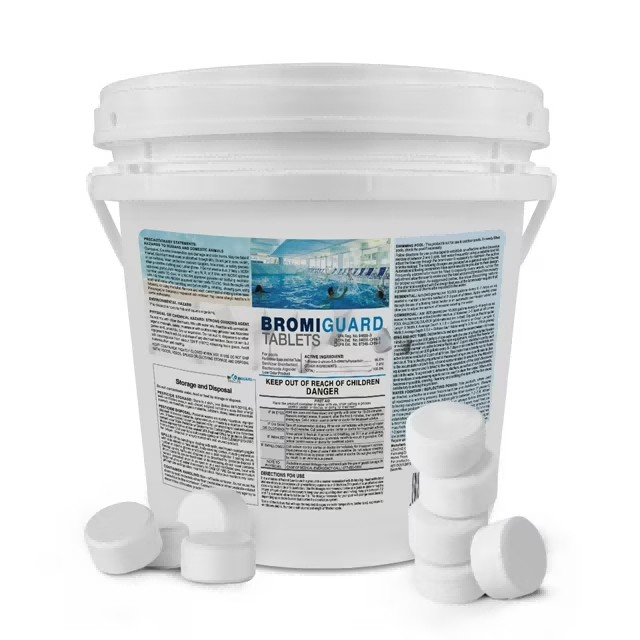
Table of Contents
- 1. Introduction to BCDMH for Pool and Spa Systems
- 2. What is BCDMH and How Does It Work?
- 3. Mechanism of Disinfection in Water Treatment
- 4. Key Benefits of Using BCDMH
- 5. Application Methods in Pools and Spas
- 6. Recommended Dosage and Control Table
- 7. Safety Guidelines and Handling Procedures
- 8. Common Problems and Practical Solutions
- 9. Comparison with Other Pool Sanitizers
- 10. Environmental and Operational Considerations
- 11. Best Maintenance Practices for Long-Term Use
- 12. Frequently Asked Questions (FAQ)
- 13. Conclusion and Professional Supply Support
1. Introduction to BCDMH for Pool and Spa Systems
Clean water is not just about clarity—it is about safety. Pools and spas are high-risk environments for bacterial growth, algae formation, and virus transmission. Traditional chlorine-based disinfectants are widely used, but they often struggle with stability in varying conditions such as temperature changes, sunlight exposure, and pH fluctuations.
This is where BCDMH for Swimming Pool and Spa systems becomes highly valuable. It is a bromine-based organic compound that releases active disinfecting agents slowly and consistently. It is commonly used in tablet or granular form for continuous water treatment in both commercial and residential systems.
2. What is BCDMH and How Does It Work?
BCDMH (Bromochloro-5,5-dimethylhydantoin) is a halogen-based disinfectant. It contains both bromine and chlorine, which are released gradually when the compound dissolves in water. These active halogens destroy bacteria, viruses, algae, and other organic contaminants.
Unlike traditional chlorine, BCDMH is more stable in warm water and performs effectively in spa environments where temperatures are higher and microbial growth is faster.
- Slow-release sanitization for long-lasting protection
- Effective against bacteria, fungi, and algae
- Stable performance in high-temperature spa water
3. Mechanism of Disinfection in Water Treatment
When BCDMH is added to water, it undergoes hydrolysis, releasing hypobromous acid (HOBr) and hypochlorous acid (HOCl). These compounds act as strong oxidizing agents that destroy pathogens by breaking down their cellular structure.
Key Reaction Process:
- Dissolution in water
- Release of bromine and chlorine ions
- Formation of active disinfecting species
- Oxidation and elimination of contaminants
This dual-action mechanism ensures broader antimicrobial coverage compared to single-halogen systems.
4. Key Benefits of Using BCDMH
BCDMH has become a preferred choice in many pool and spa systems due to its efficiency and stability. Below are the most important benefits:
- Stable performance: Works effectively in varying pH levels
- Long-lasting effect: Slow-release formula reduces frequent dosing
- Reduced odor: Less chlorine smell compared to traditional sanitizers
- Improved water clarity: Prevents cloudiness and algae growth
- Lower maintenance cost: Reduces chemical consumption over time
5. Application Methods in Pools and Spas
BCDMH can be applied in different ways depending on system design and operational requirements.
- Floating dispensers: Common for residential pools
- Feeder systems: Used in commercial pools for controlled dosing
- Direct addition: Granular form added into circulation system
Proper circulation is essential to ensure uniform distribution and avoid localized concentration.
6. Recommended Dosage and Control Table
| Application Type | Recommended Concentration | Frequency |
|---|---|---|
| Residential Pool | 2–4 ppm | Daily or continuous feeder |
| Spa / Hot Tub | 3–6 ppm | Every 1–2 days |
| Commercial Pool | 2–5 ppm | Automated dosing system |
Maintaining correct dosage ensures both safety and cost efficiency while preventing over-chlorination issues.
7. Safety Guidelines and Handling Procedures
Although BCDMH is effective, it must be handled properly to ensure operator safety and water balance integrity.
- Always wear gloves and protective eyewear
- Store in a cool, dry, ventilated area
- Avoid mixing with other strong oxidizers
- Keep away from direct sunlight and moisture
Proper storage significantly extends product stability and effectiveness.
8. Common Problems and Practical Solutions
- Cloudy water: Often caused by insufficient dosing or poor filtration
- Algae growth: Increase circulation and adjust dosage
- Strong chemical odor: Indicates imbalance in sanitizer levels
- Irritated skin: Usually due to overdosing or poor pH control
Regular testing helps prevent these issues before they escalate.
9. Comparison with Other Pool Sanitizers
| Feature | BCDMH | Chlorine | Bromine |
|---|---|---|---|
| Stability | High | Medium | High |
| Odor Level | Low | High | Medium |
| Hot Water Performance | Excellent | Poor | Good |
BCDMH stands out for its balanced performance across different water conditions.
10. Environmental and Operational Considerations
Modern water treatment solutions must balance effectiveness with environmental responsibility. BCDMH decomposes into non-persistent byproducts, reducing long-term environmental impact compared to some traditional disinfectants.
Efficient dosing also minimizes chemical waste, making it a more sustainable choice for large-scale pool and spa operations.
11. Best Maintenance Practices for Long-Term Use
- Test water chemistry at least twice a week
- Clean filters regularly to ensure circulation efficiency
- Maintain balanced pH levels between 7.2–7.8
- Monitor sanitizer levels continuously
A consistent maintenance routine ensures maximum effectiveness of BCDMH-based systems.
12. Frequently Asked Questions (FAQ)
Q1: Is BCDMH safe for swimmers?
Yes, when used at recommended levels, it is safe and effective for swimming pools and spas.
Q2: Can BCDMH replace chlorine completely?
In many spa applications, yes. However, system design may determine whether a hybrid approach is needed.
Q3: Does BCDMH affect water pH?
It has minimal impact on pH compared to traditional chlorine systems.
Q4: How long does BCDMH last in water?
Its slow-release structure allows it to remain active longer than standard chlorine products.
13. Conclusion and Professional Supply Support
BCDMH for Swimming Pool and Spa applications provides a reliable, stable, and efficient solution for maintaining hygienic water conditions. Its slow-release mechanism, strong antimicrobial performance, and adaptability to different water environments make it a preferred choice for both residential and commercial systems.
For consistent water quality and professional-grade chemical supply, choosing a reliable manufacturer is essential. Leache Chem LTD. specializes in high-quality water treatment chemicals designed for global pool and spa applications.
If you are looking for stable supply, technical support, or customized solutions for your water treatment system, contact us today to learn more about how we can support your business and improve your water quality management system.