
- English
- Español
- Português
- русский
- Français
- 日本語
- Deutsch
- tiếng Việt
- Italiano
- Nederlands
- ภาษาไทย
- Polski
- 한국어
- Svenska
- magyar
- Malay
- বাংলা ভাষার
- Dansk
- Suomi
- हिन्दी
- Pilipino
- Türkçe
- Gaeilge
- العربية
- Indonesia
- Norsk
- تمل
- český
- ελληνικά
- український
- Javanese
- فارسی
- தமிழ்
- తెలుగు
- नेपाली
- Burmese
- български
- ລາວ
- Latine
- Қазақша
- Euskal
- Azərbaycan
- Slovenský jazyk
- Македонски
- Lietuvos
- Eesti Keel
- Română
- Slovenski
- मराठी
- Srpski језик

What Is the Regulatory Status of Hydantoin Pharmaceutical Intermediates for Antiepileptic Drug Manufacturing?
As global healthcare systems continue to focus on neurological disorders, the role of Leache Chem and Hydantoin Pharmaceutical Intermediates in pharmaceutical development is receiving increasing attention. Regulatory expectations, product quality, and supply consistency have become key considerations for organizations involved in antiepileptic drug production.
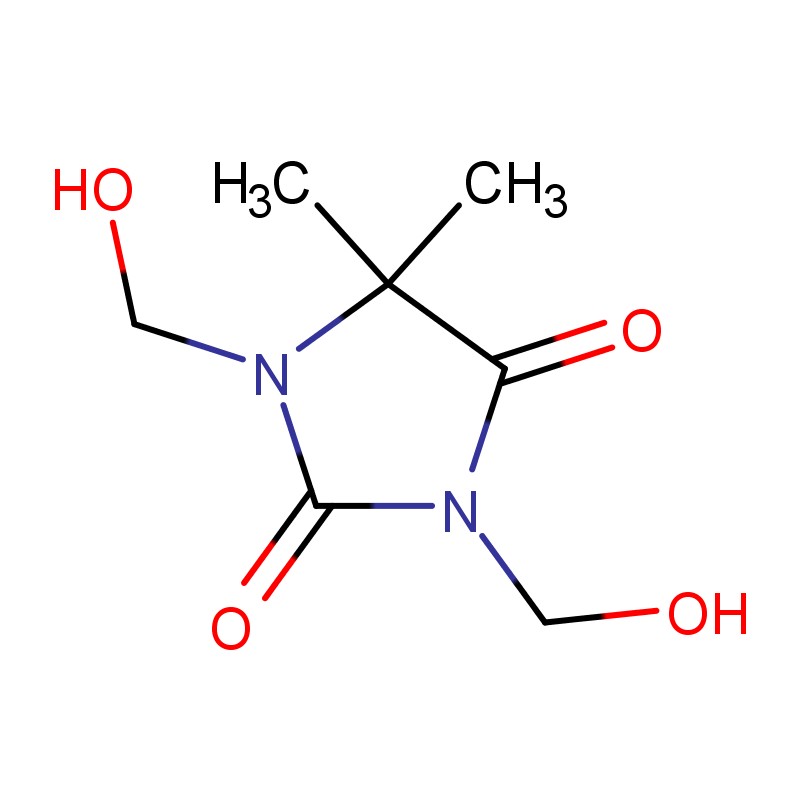
Growing Attention on Antiepileptic Drug Ingredients
Epilepsy affects millions of people worldwide and remains one of the most common neurological conditions. While treatment options have expanded significantly over the past decades, the production of effective antiepileptic medications still depends on reliable chemical building blocks.
Among these important components, hydantoin-derived compounds have maintained a significant position in pharmaceutical research and production. Several well-known antiepileptic therapies are linked to hydantoin chemistry, making regulatory compliance and quality management critical topics across the healthcare supply chain.
Recent discussions within the pharmaceutical sector have focused not only on drug approvals but also on the regulatory status of the intermediates used during synthesis. This shift reflects a broader industry trend toward greater transparency, traceability, and quality assurance.
Understanding Hydantoin-Based Pharmaceutical Development
Before discussing regulations, it is useful to understand why hydantoin compounds are important.
Hydantoin structures possess unique chemical characteristics that allow them to participate in complex synthesis pathways. Their versatility enables researchers and production teams to optimize drug performance, stability, and selectivity.
Applications associated with hydantoin chemistry include:
- Antiepileptic drug development
- Neurological treatment research
- Antimicrobial technologies
- Targeted drug delivery systems
- Emerging protein degradation technologies
- Medical device coating innovations
Because these applications often involve human health, regulatory oversight naturally becomes more stringent.
Regulatory Status: What Does It Actually Mean?
A common misconception is that Hydantoin Pharmaceutical Intermediates receive the same approvals as finished medicines. In reality, the regulatory framework is more nuanced.
Pharmaceutical intermediates are generally not approved as finished therapeutic products. Instead, they are evaluated through quality management systems, manufacturing controls, documentation requirements, and compliance with applicable pharmaceutical standards.
For organizations involved in antiepileptic drug production, regulators typically focus on several areas:
Product Identity and Purity
Authorities expect intermediates to meet strict specifications regarding composition and impurity levels.
Consistency from batch to batch helps reduce production risks and supports reliable drug quality.
Traceability
Modern pharmaceutical regulations increasingly require detailed documentation.
This includes:
- Raw material sourcing records
- Production process documentation
- Quality testing reports
- Transportation and storage information
Manufacturing Environment
Facilities producing pharmaceutical intermediates are expected to operate under controlled conditions that support product integrity and minimize contamination risks.
Change Management
Any modification involving raw materials, production procedures, packaging, or testing methods may require additional documentation and evaluation.
Key Regulatory Considerations by Region
While specific regulations vary by country, several common principles are shared internationally.
Although requirements differ, the underlying objective remains the same: ensuring that pharmaceutical products are produced using reliable and well-controlled ingredients.
| Region | Primary Focus Areas | Industry Expectations |
| North America | Quality systems, documentation, traceability | Comprehensive process control |
| Europe | Regulatory compliance, sustainability, safety | Strong quality assurance programs |
| Asia-Pacific | Manufacturing consistency, product verification | Expanding global harmonization |
| Middle East & Africa | Product reliability, import compliance | Growing regulatory modernization |
| Latin America | Documentation and registration support | Increasing alignment with global standards |
Why Quality Intermediates Matter More Than Ever
In pharmaceutical production, small variations can create significant downstream challenges.
Poor-quality intermediates may contribute to:
- Reduced production efficiency
- Increased waste generation
- Additional quality inspections
- Delayed manufacturing schedules
- Higher operational costs
For this reason, pharmaceutical organizations often evaluate intermediates based on far more than price alone.
Important factors frequently include:
- Consistency
- Stability
- Packaging integrity
- Documentation support
- Technical expertise
- Long-term supply reliability
These considerations have become increasingly important as global healthcare markets demand both quality and resilience.
The Role of the Pharmaceutical Intermediates in Modern Drug Innovation
The pharmaceutical industry is evolving rapidly.
Researchers are exploring advanced treatment approaches that extend beyond traditional drug formulations. In this environment, Hydantoin Pharmaceutical Intermediates continue to demonstrate remarkable versatility.
Several emerging applications include:
Targeted Drug Delivery
Hydantoin-related structures may contribute to systems designed to improve therapeutic precision while minimizing unintended effects.
PROTAC Technology
Protein degradation technologies are attracting considerable attention in oncology research.
Certain hydantoin-based compounds can function as CRBN ligands, supporting the design of next-generation therapeutic candidates.
Chiral Drug Development
Some neurological therapies require highly specific molecular structures.
Hydantoin chemistry can assist in constructing optically pure compounds that support these advanced formulations.
Medical Device Protection
Researchers are also examining hydantoin-derived materials for antimicrobial coatings that may help reduce biofilm formation on medical devices.
These emerging applications illustrate why hydantoin chemistry remains relevant decades after its initial adoption.
Supply Chain Challenges Facing the Industry
The pharmaceutical sector has experienced significant disruptions in recent years.
Transportation delays, raw material fluctuations, and evolving regulatory expectations have highlighted the importance of resilient supply networks.
Common industry concerns include:
Maintaining Product Integrity During Transit
Long-distance transportation can expose materials to environmental stresses.
Effective packaging solutions help reduce potential losses and maintain product quality throughout distribution.
Documentation Readiness
Regulatory inspections often require immediate access to supporting records.
Well-organized documentation can simplify audits and improve operational efficiency.
Consistent Production Standards
Variability between production batches can create additional testing requirements and increase manufacturing complexity.
Organizations increasingly seek partners capable of delivering stable quality over extended periods.
Industry Perspective: Building Trust Through Compliance
Across the pharmaceutical sector, compliance is no longer viewed as a simple regulatory requirement.
Instead, it has become a strategic advantage.
Companies that invest in research capabilities, quality systems, process automation, and product traceability are often better positioned to support evolving market needs.
This trend is particularly visible in specialty chemical sectors serving healthcare applications, where confidence in ingredient quality can directly influence downstream production performance.
How Experience Supports Regulatory Readiness
Decades of technical expertise often provide valuable insights into changing regulatory landscapes.
Organizations with long-term involvement in hydantoin chemistry generally possess deeper understanding of:
- Product development requirements
- Documentation expectations
- Quality control practices
- International market standards
- Packaging optimization
- Process improvement opportunities
Such experience can help support smoother integration into highly regulated pharmaceutical environments.
Looking Ahead
The future of antiepileptic drug manufacturing will likely involve increasingly sophisticated production methods, tighter quality expectations, and stronger global regulatory cooperation.
As healthcare innovation continues, Pharmaceutical Intermediates are expected to remain important components within pharmaceutical development, particularly in neurological research and advanced therapeutic technologies.
For industry professionals monitoring regulatory trends, the key takeaway is clear: product quality, traceability, compliance, and technical expertise are becoming as important as the chemistry itself.
Leache Chem's long-standing focus on Hydantoin Pharmaceutical Intermediates technology, combined with its research capabilities and quality-oriented approach, reflects the broader direction of the pharmaceutical industry. As regulatory standards continue to evolve, the Pharmaceutical Intermediates will remain a critical link between scientific innovation and reliable pharmaceutical production.