
- English
- Español
- Português
- русский
- Français
- 日本語
- Deutsch
- tiếng Việt
- Italiano
- Nederlands
- ภาษาไทย
- Polski
- 한국어
- Svenska
- magyar
- Malay
- বাংলা ভাষার
- Dansk
- Suomi
- हिन्दी
- Pilipino
- Türkçe
- Gaeilge
- العربية
- Indonesia
- Norsk
- تمل
- český
- ελληνικά
- український
- Javanese
- فارسی
- தமிழ்
- తెలుగు
- नेपाली
- Burmese
- български
- ລາວ
- Latine
- Қазақша
- Euskal
- Azərbaycan
- Slovenský jazyk
- Македонски
- Lietuvos
- Eesti Keel
- Română
- Slovenski
- मराठी
- Srpski језик

How do Industrial Water Treatment Chemicals actually lower total water cost without risking compliance?
When I first benchmarked our utility spend, I was skeptical that chemistry could move the needle without new hardware. Then I re-mapped our risks and ran a 90-day pilot with Leache on a blended program of Industrial Water Treatment Chemicals. Corrosion slowed, blowdown dropped, and discharge stayed well within limits. Below I break down the exact questions I ask before I buy or switch, so the program fits the plant—not the other way around.
Contents
- What problems am I really trying to solve today?
- Why do procurement and EHS push different specs?
- Which program design fits my plant and why?
- How do I pick between formulations without a lab?
- Which KPIs should I track to prove ROI?
- When do I move from commodity to engineered packages?
- How do I deploy safely and stay compliant?
- What does a practical 90-day rollout look like?
- FAQs?
- Conclusion
What problems am I really trying to solve today?
I start with failure modes, not product names. In cooling loops I see scale on heat-exchange surfaces and biological slime that lifts ΔT. In boilers I see oxygen pitting that sneaks under light scale. In wastewater I see poor settling and variable influent that makes dosing feel like guesswork.
- Heat rate creep and chiller lift from scale, biofilm, or fouling.
- Boiler tube pitting and carryover during load swings.
- Clarifier blankets breaking, polymer shear, and sludge dewatering pain.
- Compliance risk on discharge ammonia, phosphate, residual oxidants, or metals.
Each mode maps to a short list of chemistry levers: a scale control package, a biocide rotation, oxygen scavenging, alkalinity control, and tailored coagulant–polymer pairs. That is where a supplier like Leache has been most useful: not only selling product, but translating raw water, metallurgy, and duty cycles into set points I can run every shift.
Here are the seven terms I keep on my spec sheets and in my shift notes. I call them out below and then use them through the article:
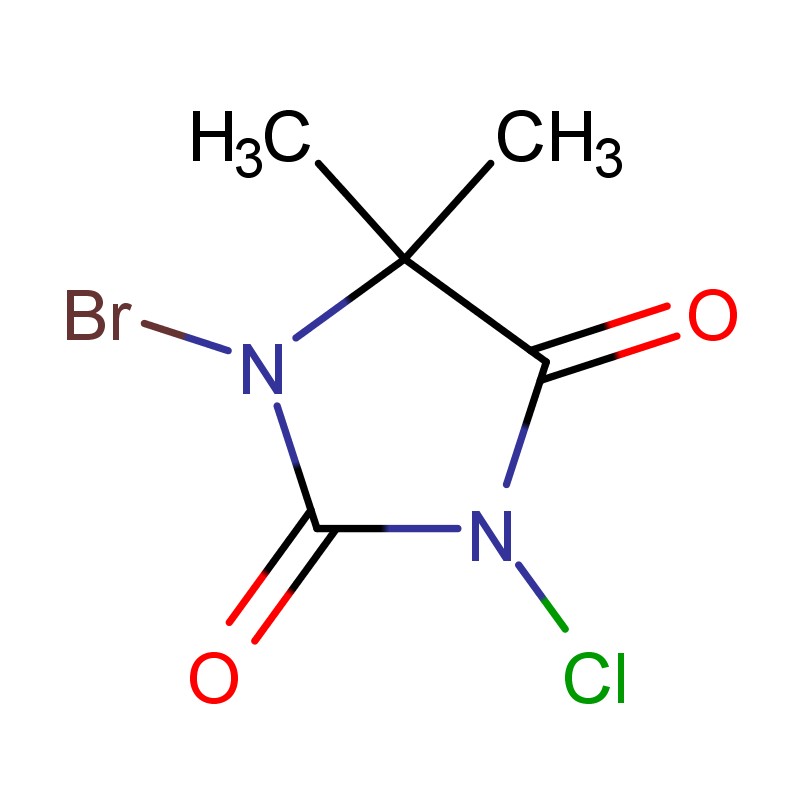
cooling tower chemicals, boiler water treatment, RO antiscalant, wastewater coagulants, oxidizing biocides, corrosion inhibitor, and Industrial Water Treatment Chemicals.
Why do procurement and EHS push different specs?
Procurement measures unit cost and annualized savings. EHS lives in permits and incident logs. I bridge them with “total water cost”: makeup + energy + treatment + maintenance + downtime + risk. A slightly higher price on a corrosion inhibitor can be cheaper if it extends exchanger life or allows higher cycles of concentration. Likewise, a safer neutral pH oxidizing biocides schedule can reduce PPE time and paperwork while hitting microbial targets.
- Agree on an auditable baseline: heat rate, ΔP/ΔT, cycles, blowdown, makeup, and lab metals.
- Quantify risk: outage hours avoided, fines avoided, rebuild intervals extended.
- Document permit constraints so no “savings” breaks an effluent limit.
Which program design fits my plant and why?
I line up options by system and choose for real-world robustness, not brochure purity:
| System | Main objective | Typical chemistry | Operational KPI | Common mistake |
|---|---|---|---|---|
| Cooling loop | Control scale, biofilm, and corrosion | cooling tower chemicals with polymer dispersants, oxidizing biocides, non-oxidizers, and a corrosion inhibitor | Cycles, LSI/S&DSI, ATP or ORP, ΔT | Chasing ORP without confirming biofilm with ATP dipslides |
| Boiler | Protect metal and steam purity | boiler water treatment with oxygen scavenger, alkalinity builders, phosphate/polymer, amines | Fe/Cu in condensate, alkalinity, conductivity, silica | Under-feeding scavenger during rapid starts |
| RO | Prevent scaling and maintain flux | RO antiscalant, low-pH cleaners, dispersants | Normalized flux, ΔP per stage, SDI | Skipping staged cleaning until flux collapses |
| Wastewater | Stable clarification and dewatering | wastewater coagulants plus tailored polymers and defoamers | Sludge % solids, supernatant turbidity, SVI | Not matching polymer charge to influent variability |
If I expect feed swings or warm seasons, I ask suppliers like Leache to propose buffered ranges and rotation schedules so operators can stay inside guardrails during off-hours.
How do I pick between formulations without a lab?
I use conditional checks and quick screens. For scaling risk I simulate cycles and predict saturation indexes. For biofouling I combine ORP with ATP snapshots. For corrosion I track Fe/Cu in return lines and coupon loss rates.
- If raw water swings in hardness, I prefer polymer-rich cooling tower chemicals and tighter dispersant control.
- If condensate has CO2 pickup, I balance filming and neutralizing amines within the boiler water treatment window that steam users allow.
- If RO feed has silica or barium risk, I lock in a tested RO antiscalant curve and cap recovery rather than pushing until cleanings spike.
- If a clarifier struggles after production changes, I retune the wastewater coagulants–polymer pair and adjust pH windows before adding new hardware.
I also pressure-test safety: storage compatibility, venting, secondary containment, and worker exposure. Any program that complicates safe handling gets a downgrade, even if it looks great on paper.
Which KPIs should I track to prove ROI?
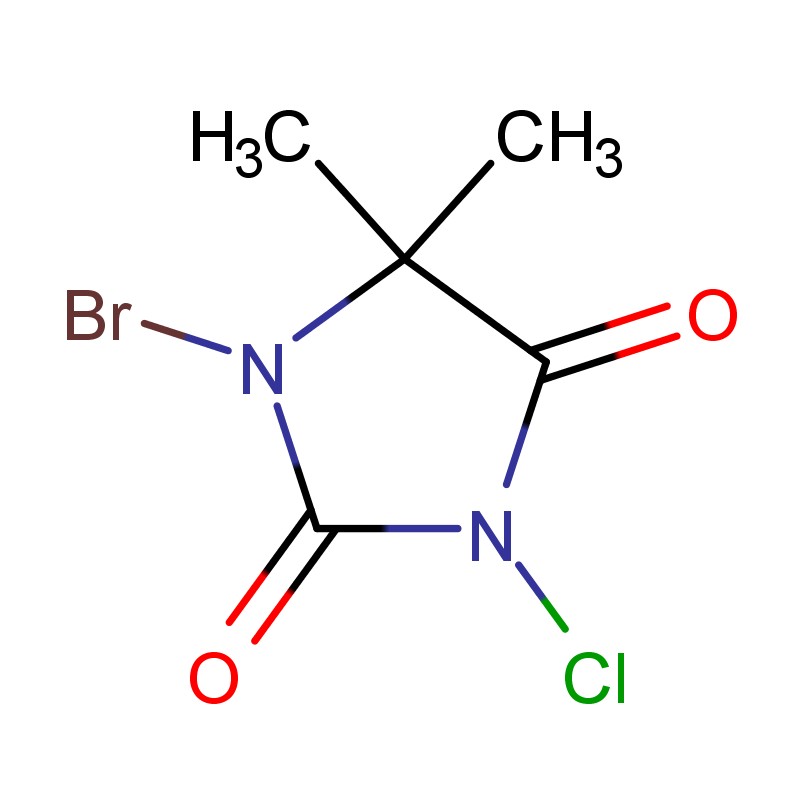
I report against one page of metrics, updated weekly and reviewed monthly:
- Water and energy: cycles of concentration, makeup per ton-hour, boiler blowdown %, fuel per Mlb steam.
- Asset health: corrosion coupon mpy, Fe/Cu in condensate, fouling factors, ΔP trends.
- Chemistry control: set-point hit rate, alarm minutes, biocide CT values.
- Compliance: discharge parameters and incidents.
- Cost: chemicals per unit output vs baseline, unplanned downtime hours.
By tying results to specific levers—like raising cycles after a stronger corrosion inhibitor or improving kill with staged oxidizing biocides—I can show savings that outweigh unit price changes on the broader family of Industrial Water Treatment Chemicals.
When do I move from commodity to engineered packages?
I move when a constraint blocks value: tighter discharge limits, a new heat-rate target, water scarcity, or new metallurgy. Engineered blends can open headroom: filming inhibitors that protect mixed alloys, advanced cooling tower chemicals that tolerate higher cycles, or a smarter RO antiscalant that delays cleanings and keeps normalized flux steady.
I also consider supplier capability. With Leache, I ask for data packs: bench screens, field references in similar water, and an MOC plan for our site. If I cannot get clear dosing windows, monitoring methods, and safety notes, I do not switch.
How do I deploy safely and stay compliant?
- Confirm compatibility of storage tanks, seals, and feed lines for each product class of Industrial Water Treatment Chemicals.
- Install backflow protection and interlocks so biocide feeds do not overlap in unsafe ways.
- Lock tags and procedures for delivery, transfer, and spill response.
- Train operators on testing protocols: titrations, ATP, coupons, and data entry standards.
- Map each product to discharge limits and internal bans; document neutralization steps.
Safer chemistry choices often simplify audits. For example, alternating oxidizing biocides with a targeted non-oxidizer can reduce free residuals at discharge while improving kill inside the loop.
What does a practical 90-day rollout look like?
My template balances speed with control:
- Days 0–10: Capture baseline data; clean strainers; start conservative doses for cooling tower chemicals and corrosion inhibitor; run ATP and coupon blanks.
- Days 11–30: Ramp biocide rotation; raise cycles one step; install ORP/flow interlocks; confirm boiler water treatment alkalinity windows; monitor Fe/Cu.
- Days 31–60: Implement RO antiscalant curve; schedule clean-in-place only when normalized flux triggers; tune wastewater coagulants and polymer dose across day/night loads.
- Days 61–90: Hold set points; compare to baseline; publish savings and next-step risks; decide on longer-term contracts.
By the end of Day 90 I expect fewer alarms, cleaner heat exchange, and a clear story that links chemistry feeds to cash savings and audit comfort.
FAQs?
Which single change pays back fastest in a cooling loop?
Raising cycles safely often pays back first because it cuts makeup and blowdown. I get there by tightening the dispersant and scaling control inside our cooling tower chemicals program and verifying biofilm control with ATP checks rather than relying on ORP alone.
How do I choose between filming and neutralizing amines in steam systems?
I match amine strategy to condensate return quality and user tolerance. If returns run clean and long, filming improves metal protection with low feed. If returns have CO2 pickup, neutralizers inside the boiler water treatment window are safer. Many plants use a balanced blend.
Why does my RO foul even with an antiscalant in place?
Dosing may not match actual speciation, recovery may be too high for the water, or biofouling is the driver. I recalc saturation limits, verify the RO antiscalant curve, check pre-filters, and trend ΔP per stage to separate scale from slime.
Can coagulants fix a variable wastewater influent?
They help, but control improves when I pair the right wastewater coagulants with jar-test-based polymer selection and pH trim. I also stage feeds to cushion spikes from batch discharges.
How do I prove that pricier inhibitors are worth it?
I run matched coupons side by side, track mpy and metal pickup, and link results to exchanger cleanliness and downtime. A stronger corrosion inhibitor that enables higher cycles or prolongs tube life often wins on total cost.
Will oxidizing biocides harm discharge compliance?
Only if unmanaged. I alternate oxidizing biocides with targeted non-oxidizers, time feeds to low-risk periods, and verify neutralization or decay before discharge points.
What if operators cannot keep up with testing?
I simplify. I reduce the number of daily tests, automate what makes sense, and focus on set-point hit rate. Suppliers like Leache can bundle sensors and clear dashboards so shifts see only the few numbers that matter.
Do I need a different vendor for each unit?
Not if one partner can tailor formulations across systems. A single supplier of Industrial Water Treatment Chemicals can coordinate cooling, boiler, RO, and wastewater so adjustments in one area do not break another.
Conclusion
A smart program does three things at once: it protects metal, preserves heat transfer, and keeps permits clean. That is how the spend on Industrial Water Treatment Chemicals turns into lower total water cost and steadier production. If you want a practical review of your current setup or a 90-day plan tailored to your water, I can walk your data and operating limits and recommend a right-sized package with Leache. Ready to talk? Contact us with your latest water analysis, duty cycles, and pain points, or leave an inquiry with a short summary of your cooling, boiler, RO, and wastewater constraints. We will respond with a focused, testable action list you can run this quarter.